Reduce Risk Before Waste Leaves Your Site
Hazardous waste incineration can be a sound destruction method for certain regulated materials, but only when the waste is correctly identified, shipped properly, and sent to a facility permitted to handle it. We know environmental managers often feel pressure to clear out dangerous materials while keeping operations safe and compliant. A rushed decision can lead to rejected loads, storage problems, or added risk for your team.
Fall is a practical time to review accumulation areas before year-end inventories and colder weather arrive. We recommend identifying aging containers, hard-to-manage chemicals, and materials that could create storage or emergency response concerns. Planning shipments early gives you more time to evaluate disposal choices and prepare waste safely.
How Hazardous Waste Incineration Works
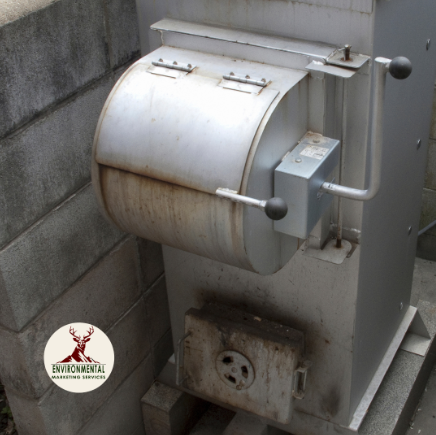
Hazardous waste incineration is a controlled thermal treatment process that destroys or reduces certain hazardous organic constituents at high temperatures. It is not simply burning waste. Permitted treatment facilities use engineered combustion systems, operating controls, monitoring equipment, and air pollution controls to manage the process under their specific permit requirements.
Before treatment begins, the receiving facility reviews a waste profile to determine whether it can accept the material. The waste may be prepared differently based on its physical form, chemical makeup, packaging, and compatibility with other materials. Liquids, solids, sludges, and containerized products can each require different handling steps.
During combustion, the facility manages conditions such as temperature, residence time, oxygen, and feed rates. After treatment, materials such as ash, scrubber residues, and other byproducts may still need testing, further treatment, or disposal at an approved facility.
Incineration can reduce the volume and hazards associated with qualifying waste streams. Still, it does not make every disposal responsibility disappear. We help you consider the full path, including transportation, paperwork, residual management, and the receiving facility’s acceptance requirements.
Which Waste Streams May Need Incineration or Another Option
Some waste streams may be considered for hazardous waste incineration, including certain solvents, pesticides, paint-related materials, chemical residues, laboratory packs, contaminated absorbents, and expired commercial products. That does not mean every item in these categories belongs in an incineration program. Acceptance depends on the material’s composition, hazard characteristics, quantity, packaging, and compatibility with the treatment facility.
Accurate waste characterization should happen before you choose a disposal route. We often review available information such as:
- Safety data sheets and product labels
- Process knowledge and inventory records
- Previous waste profiles and disposal history
- Laboratory analysis, when additional testing is needed
- Container condition, packaging, and compatibility information
This review helps identify properties such as ignitability, corrosivity, reactivity, toxicity, and other concerns that affect transportation and treatment. It can also help prevent incompatible mixing, improper packaging, delayed pickups, rejected loads, and avoidable handling issues.
Incineration is only one possible answer. Depending on the waste profile, fuel blending, recycling, stabilization, wastewater treatment, secure landfill disposal, or manufacturer take-back programs may be a better fit. Universal waste, including certain lamps, batteries, and electronic devices, has specialized management rules and should not automatically be placed into an incineration plan.
Permits, Records, and Emission Controls
Safe hazardous waste management depends on more than selecting a disposal facility. Depending on the waste and location, you may need to meet federal Resource Conservation and Recovery Act requirements, Department of Transportation shipping rules, state environmental requirements, and local emergency planning obligations. Generator responsibilities continue after a shipment leaves your property.
Clear records support a compliant shipment and make it easier to track waste from your site to its final destination. Documentation may include:
- Waste determinations and approved waste profiles
- Safety data sheets and land disposal restriction notifications
- Shipping papers, manifests, and container labels
- Inspection records and employee training documentation
- Electronic manifest records and final disposal paperwork
Electronic manifest records can help you maintain visibility throughout the shipment lifecycle and confirm that the waste reached the intended treatment or disposal facility. Keeping complete records also gives your team a clearer picture of recurring waste streams and future disposal needs.
Air emissions are a major part of hazardous waste incineration oversight. Permitted facilities may use equipment such as scrubbers, filters, thermal controls, continuous monitoring systems, and emissions testing. The exact control methods vary by facility and permit, so we recommend confirming what a receiving facility can accept and how it manages treatment requirements for your particular material.
Choose Qualified Transportation and Treatment Partners
Safe transportation starts well before a truck arrives. Containers should be identified, packaged, labeled, closed, and staged according to applicable requirements. Before shipment, your facility team should inspect for leaks, corrosion, damaged closures, missing labels, or signs of incompatible materials.
A qualified transportation and treatment plan should answer practical questions before waste is loaded. We encourage you to confirm whether the receiving facility accepts the material, what profile details it needs, how it handles treatment residues, and what happens if a shipment is delayed or rejected.
Fall and winter logistics deserve special attention. Weather conditions, holiday schedules, year-end facility capacity, and staffing changes can affect pickup timing and on-site storage needs. We can coordinate transportation and disposal solutions for hazardous, non-hazardous, and universal waste, helping you plan larger cleanouts and recurring shipments before storage areas become overcrowded.
Move Forward with a Safer Waste Plan
A careful review of your current inventory can reveal materials that have been sitting too long, have unclear labels, or need a more suitable disposal path. Hazardous waste incineration may be appropriate for some of those materials, but the decision should always begin with accurate characterization and facility-specific acceptance review.
The safest plan follows the waste from start to finish: identify it correctly, package it securely, document it fully, transport it compliantly, and confirm its final disposition. Taking those steps before year-end helps reduce rushed decisions and gives your team more control over regulated materials.
Get Expert Support for Compliant Disposal
Environmental Marketing Services helps organizations evaluate treatment options and coordinate hazardous waste incineration services that fit their material profiles and compliance needs. Our team can help clarify requirements, streamline logistics, and support responsible disposal decisions. Contact us to discuss your waste management needs with our te