Protecting People and the Environment From Mercury Risks
Mercury disposal is one of those topics that only gets attention after a broken thermometer, a cracked lamp, or a surprise inspection. For industrial facilities, hospitals, labs, and commercial properties, that can be too late. Managing mercury safely from the start protects your employees, your community, and your business.
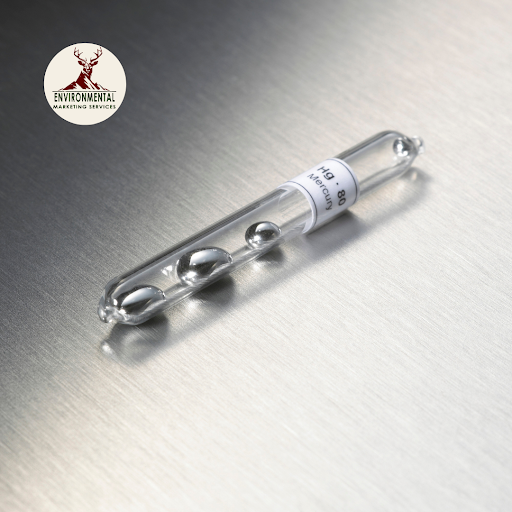
Mercury is a naturally occurring metal that is liquid at room temperature. It is found in items like thermometers, manometers, fluorescent and HID lamps, electrical switches, and relays, batteries, some lab chemicals, dental amalgam, and certain medical and industrial devices. When these products are damaged or discarded without proper controls, mercury can evaporate into toxic vapor or can contaminate soil and water.
Improper mercury disposal can lead to long-term health effects for workers and the public, and it can create expensive cleanup and regulatory issues. Safe handling, storage, and disposal are not just technical details; they are part of responsible operations for generators across the country. At Environmental Marketing Services, LLC, based in Seneca, South Carolina, we work with industrial, healthcare, laboratory, and commercial generators across 47 states to manage mercury in a compliant and environmentally responsible way.
Understanding Mercury Hazards in Your Facility
Mercury primarily threatens people through inhalation of vapor. When elemental mercury is exposed to air, it slowly releases invisible fumes. In poorly ventilated areas, those vapors can build up and affect the nervous system, lungs, and kidneys. Over time, repeated exposure can contribute to tremors, memory and concentration problems, mood changes, and other health issues for employees.
Many facilities have more mercury on site than they realize. Common sources include:
- Fluorescent, HID, and some specialty lamps
- Thermostats, switches, and pressure controls
- Manometers and other measuring devices
- Laboratory reagents and standards containing mercury compounds
- Dental amalgam and related chairside waste
- Certain batteries and older electrical components
Not all mercury is the same from a handling and regulatory perspective. Elemental mercury is the shiny liquid metal often seen in older thermometers and devices. Mercury compounds, such as some salts and preservatives, can be more readily absorbed by the body and may carry different hazard classifications. Mercury-containing products, like lamps and thermostats, often fall under specific universal waste rules, depending on the state.
Even a small spill or broken device can release vapors and disperse tiny droplets into cracks and porous surfaces. That is why these materials should never go into regular trash or down drains, and why even minor incidents deserve careful attention.
Safe Handling and Emergency Response for Mercury Incidents
Good daily practices go a long way toward preventing spills and breakage. We encourage facilities to:
- Clearly label all mercury and mercury-containing products
- Keep materials in closed, compatible containers when not in use
- Store items in low-traffic, stable areas to avoid falls and impacts
- Maintain adequate ventilation where mercury is used or stored
- Train staff who handle these items so they understand the risks and know what to do if something breaks
When a mercury-containing device breaks, quick, calm action is important. Isolate the area, keep people out, and increase ventilation if it is safe to do so. Do not use a broom or a regular vacuum cleaner; both can spread tiny mercury droplets and vapors across a much larger area. Instead, use a mercury-specific spill kit or trained personnel equipped with proper tools and personal protective equipment.
Avoid tracking mercury on shoes, carts, or equipment. Close off the affected zone, mark it clearly, and follow your internal notification procedures so EHS, safety, or facilities managers know what happened. If the spill is significant, located in a confined or poorly ventilated space, or if there is any doubt about the extent of contamination, it may be appropriate to evacuate the area and bring in professional hazardous materials support.
Incident documentation is an important part of protecting workers and supporting compliance. Keep records of what occurred, who was potentially exposed, how cleanup was performed, and what verification steps were taken, such as air monitoring or visual inspection. These records help refine your procedures and demonstrate due diligence if regulators have questions later.
Mercury Disposal Regulations and Compliance Essentials
Mercury disposal is governed by several layers of environmental regulation. Under federal hazardous waste rules, many mercury wastes are regulated because of their toxicity. In some cases, products like lamps and thermostats can be managed as universal waste, which can offer more flexible storage and handling options when the requirements are followed correctly. State environmental agencies may add their own rules that are more specific or more protective.
Generators have key responsibilities that start with correctly identifying whether a waste stream contains mercury and how it is regulated. From there, requirements typically include:
- Following accumulation limits and storage timeframes
- Keeping containers closed, labeled, and in good condition
- Maintaining inspection logs for storage areas
- Providing appropriate training for employees who handle or manage mercury waste
Universal waste standards often apply to common items such as fluorescent lamps, some batteries, and certain mercury-containing devices. When used properly, these rules can make it easier to collect, store, and send these items for recycling or disposal, while still controlling risk.
Regardless of the regulatory category, using properly permitted transporters and disposal facilities is essential. If mercury waste is mishandled during transportation or at the receiving facility, the original generator can still face liability. Working with experienced, compliant partners reduces that risk and supports safer outcomes for the environment.
Best Practices for Storage, Packaging, and Transportation
Safe mercury disposal begins well before a pickup is scheduled. Storage areas should be secure, dry, and protected from physical damage. Containers must be compatible with the type of mercury or mercury-containing waste, tightly closed, and placed in secondary containment where spills could occur. Clear labeling that indicates the contents and hazard is important for workers and emergency responders.
When it is time to ship mercury waste, packaging becomes the next line of defense. That can include sealing containers, using absorbent materials or cushioning where appropriate, and organizing materials so they will not shift or break in transit. For many shipments, Department of Transportation requirements dictate the type of packaging, labeling, and documentation that must accompany the load.
Waste profiling and characterization ensure that mercury streams go to the right type of facility, whether that is recycling, treatment, or disposal. Accurate information about the waste, including any contaminants, supports safe handling and compliant routing.
This is where a partner like Environmental Marketing Services fits in. We coordinate pickups, transportation, and disposal for hazardous, non-hazardous, and universal wastes across 47 states, bringing experience with both regulatory requirements and practical logistics to every mercury disposal project.
Building a Mercury Management Plan with Expert Support
A written mercury management plan gives your team a clear roadmap before anything goes wrong. It should cover inventory of mercury-containing items, purchasing controls to avoid unnecessary mercury, safe handling and storage procedures, spill response steps, and disposal pathways for each type of material. Aligning this plan with your overall hazardous waste and safety programs keeps expectations consistent for employees.
Training is just as important as written procedures. Employees who purchase, use, store, or dispose of mercury-containing items need to understand the hazards, the early signs of exposure, and the specific steps to take if something breaks or leaks. Regular refreshers help keep these details top of mind and support a stronger safety culture.
At Environmental Marketing Services, we work with industrial, healthcare, laboratory, and commercial clients to support responsible mercury management. From helping review existing practices to arranging compliant transportation and disposal, our focus is on practical, environmentally responsible solutions that fit your facility’s needs. Reviewing your current approach, tightening any weak spots, and aligning with best practices for mercury disposal can protect your people, your community, and your organization for the long term.
Protect Your Facility And Community With Compliant Mercury Disposal
Proper handling of mercury-containing materials safeguards your employees, your customers, and the environment. At Environmental Marketing Services, we provide turnkey mercury disposal solutions tailored to your industry and regulatory requirements. If you are ready to schedule a pickup, request a quote, or review your current procedures, please contact us so we can help you move forward confidently.