Protecting Seneca: Why Mercury Thermometers Need Special Care
Mercury thermometers look simple, but they contain a metal that can create serious problems if it escapes into the environment. Mercury is a silvery liquid that conducts heat very well, which is why it was widely used in thermometers for homes, laboratories, and healthcare facilities. Many facilities in and around Seneca still have legacy mercury thermometers tucked in drawers, supply closets, or old equipment.
When a mercury thermometer breaks or is thrown away with regular trash, that liquid metal can turn into vapor that is easy to breathe in but hard to see or smell. Mercury vapor can affect the nervous system, lungs, and kidneys. If it enters soil or water, it can convert into other forms that move up the food chain, affecting fish, wildlife, and people. Over time, even small spills and discarded devices can add up.
That is why proper mercury disposal is not just a good sustainability habit; it is a safety and compliance requirement. For businesses, labs, and healthcare facilities in Seneca and across the Upstate, handling mercury thermometers correctly protects staff, patients, and the wider community, while helping meet regulatory expectations.
Understanding Mercury Waste Rules in South Carolina
At the federal level, mercury and many mercury-containing devices are regulated under the Resource Conservation and Recovery Act, often referred to as RCRA. Depending on the specific device and how it is managed, mercury waste may be treated as hazardous waste or as universal waste. Both categories come with rules about how the waste is stored, labeled, transported, and ultimately disposed of or recycled.
In simple terms, households typically have more flexible options than businesses. A single homeowner in Seneca with one old fever thermometer usually falls into a different category than an industrial or healthcare facility with a box of lab thermometers and other mercury devices. Commercial and institutional generators are expected to know what they have on site and manage it under the applicable hazardous or universal waste requirements.
For businesses, labs, and healthcare sites, that usually means:
- Keeping mercury thermometers and other devices in closed, structurally sound containers
- Clearly labeling containers so anyone can identify the contents as mercury or mercury-containing waste
- Storing the waste for only a limited period before arranging proper transportation and disposal
- Using appropriate shipping papers and transportation methods when the waste leaves the property
Working with a qualified environmental services provider can help facilities in Seneca and across South Carolina interpret which rules apply and how to stay in step with both federal and state expectations.
Step-by-Step: What to Do with Old Mercury Thermometers
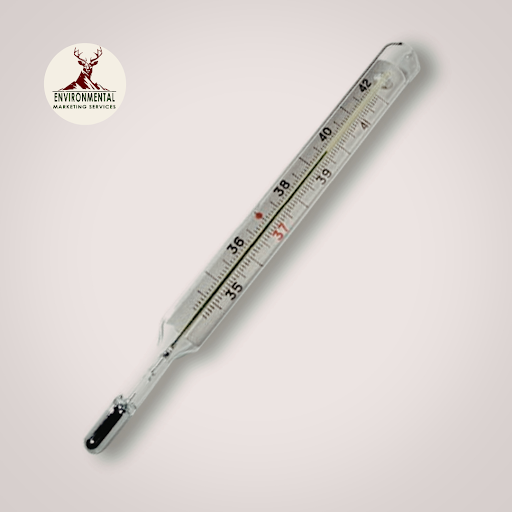
The first step is knowing whether a thermometer actually contains mercury. Traditional mercury thermometers usually have a slim glass tube with a gray or silver line inside. Many modern thermometers use colored alcohol or digital sensors instead. If you see a metallic-looking liquid, assume it is mercury and handle it carefully.
If the thermometer is intact, keep it that way. Place it gently into a sealable, rigid, non-breakable container, such as a plastic box with a tight lid, and add some padding so it cannot roll or crack. Clearly label the container as containing mercury thermometers and store it in a secure, cool, well-ventilated area until it can be picked up or shipped for proper mercury disposal.
If the thermometer is broken, avoid touching the beads of mercury with bare hands. Basic handling tips include:
- Put on disposable gloves before going near the spill
- Do not vacuum or sweep with a broom, which can spread mercury vapor and tiny droplets
- Use stiff paper or cardboard to gently gather the beads, then use sticky tape to pick up smaller droplets
- Place all cleanup materials, including the broken glass and used gloves, into an airtight container
- Keep everything out of regular trash and far from sinks, floor drains, or outdoor areas
In Seneca and nearby communities, households may have access to local collection events or community drop-off locations, while businesses and institutions typically work with a licensed environmental services company. Facilities with multiple thermometers or a mix of mercury devices often bulk pack them in approved containers and schedule a pickup as part of their regular waste management program.
Specialized Solutions for Businesses, Labs, and Healthcare Sites
Industrial plants, research and academic laboratories, hospitals, clinics, and dental or veterinary practices tend to have more complex mercury disposal needs than a single household. In addition to thermometers, there may be manometers, sphygmomanometers, thermostats, or other instruments that contain elemental mercury.
Managing these items is easier when they are integrated into a broader hazardous, non-hazardous, and universal waste program. That is where Environmental Marketing Services, LLC focuses its work. From our base in Seneca, we provide transportation and disposal of hazardous, non-hazardous, and universal waste for industrial, laboratory, healthcare, and other commercial generators across 47 states, which includes mercury and many mercury-containing devices.
For facilities, that can mean support with:
- Proper packaging and labeling of mercury thermometers and related devices
- Coordinated pickups that align with other waste streams to simplify scheduling
- Transportation to qualified facilities for disposal or recycling of mercury devices
By folding mercury disposal into an overall waste strategy, facilities can streamline safety inspections, reduce the chance of overlooked legacy items, and work with a single vendor for multiple waste categories.
Preventing Spills and Emergencies Before They Happen
The safest mercury thermometer is the one that has already been removed and replaced. We encourage facilities that still rely on glass mercury thermometers to plan a phased transition to digital or alcohol-filled alternatives. This step alone can dramatically lower the risk of accidental breakage and future cleanup needs.
Of course, many sites still have legacy thermometers in storage or connected to older equipment. If a mercury thermometer breaks, your response should be quick, calm, and methodical:
- Isolate the area and keep people, especially children and pregnant individuals, away
- Open windows if possible and increase ventilation, while turning off any central HVAC that could spread vapors
- Follow a written spill response procedure, using a mercury spill kit if one is available
- Collect the mercury and contaminated materials, seal them in appropriate containers, and arrange for proper mercury disposal
For larger spills, or if the spill occurs in a sensitive area such as a healthcare setting, laboratory, or food-handling space, professional help may be appropriate. Training staff on spill response, practicing those procedures, and keeping a dedicated spill kit on hand go a long way toward minimizing risk.
Take the Next Step Toward Safer Mercury Disposal
Safe, compliant mercury disposal protects staff, customers, patients, and the environment around Seneca while helping facilities meet regulatory responsibilities. Mercury thermometers may be small, but the consequences of mishandling them can be long-lasting for air, soil, and water quality.
A practical way forward is to start with an inventory. Identify every mercury thermometer and related device on site, separate intact from broken items, and store them securely until they can be managed as hazardous or universal waste. By pairing thoughtful planning with reliable transportation and disposal solutions, businesses and institutions throughout the Upstate can clear out legacy mercury safely and keep it out of landfills and local waterways.
Protect Your Team And Community With Safe Mercury Management
If your facility handles mercury-containing materials, now is the time to put a compliant, long-term solution in place. Our expert mercury disposal services help you reduce risk, avoid regulatory penalties, and safeguard the environment. At Environmental Marketing Services, we work with you to design a plan that fits your operations, timeline, and budget. Ready to move forward or have questions about a specific project? Simply contact us and our team will help you take the next step.