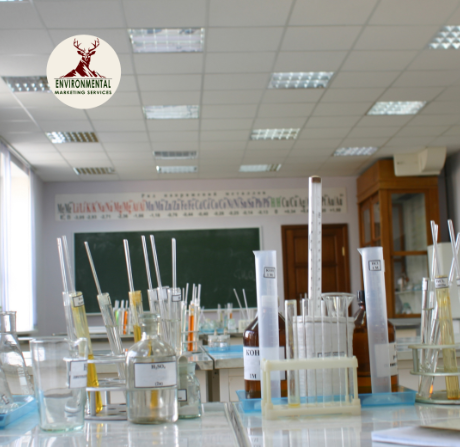
Chemical waste comes from many places like factories, labs, hospitals, and even schools. It is what is left behind after making paint, cleaning products, or medicines. When not managed the right way, this waste can put people, animals, and the environment in harm’s way. That is why chemical waste disposal services matter.
If chemical waste piles up, leaks, or gets stored with the wrong materials, it could seep into soil or water. Some types might even start a fire if they make contact with the wrong item. The risks can grow quickly, turning a small spill into a much bigger problem. Handling each step with care helps reduce those risks and protects everyone nearby.
What Counts as Chemical Waste
Not every chemical waste item is easy to identify. Some are clearly marked and look dangerous, like leftover acids, used solvents, or cleaning products from labs and factories. Others blend in, like batteries, ink cartridges, or old aerosol cans. Once they are expired or start leaking, they need special care.
Chemical waste falls into two main categories, with each needing a different approach:
– Hazardous waste includes substances that are flammable, toxic, corrosive, or can react easily. These require strict safety measures.
– Non-hazardous chemical waste does not pose the same immediate threats, but still cannot enter regular trash.
Everyday examples of items needing special handling include
– Broken thermometers with mercury
– Expired lab reagents
– Used oil from machines or equipment
– Containers of old pesticides or cleaning solutions
Even the most common things become a problem when neglected. Separating these items and keeping them away from people, pets, or water sources is the first safe step until professional disposal can happen.
Safe Handling Before Disposal
Onsite safety always comes before waste collection. Keeping chemical waste in the right spot and container can mean the difference between a simple cleanup and a major hazard. Using only approved containers, tightly sealed lids, and clear labels for each waste type helps prevent accidents.
Carelessness at this stage can cause real harm. Some chemicals get dangerous if they touch air or sunlight. Others send out strong fumes if the containers are cracked or opened without warning. A clear checklist can keep the process smooth, such as
– Never mix different chemicals in one container
– Always label each container with the correct name and date
– Only use containers that meet legal and professional standards
Many professional services, like those offered by Environmental Marketing Services, provide certified waste containers, labels, and pickup documentation. This adds another layer of protection and streamlines each step for businesses, schools, and hospitals.
Being organized with waste logs and inventory lists makes collection easier, reduces mistakes, and keeps everyone involved safer from start to finish.
How Chemical Waste Is Collected and Treated
Collection is more than just transporting waste from one place to another. At pickup, all containers get checked to make sure they match records and are in safe condition. Secure vehicles designed for moving hazardous materials keep everyone safe along the route.
Paperwork needs to be complete before transport starts, with each container listed and described. After collection, the waste must be treated according to its type:
– Some waste is recycled, especially solvents, selected oils, and other chemicals with recovery value. This is common for businesses wanting to keep their environmental impact lower.
– Chemical treatment can break down hazardous waste into safer, less reactive materials.
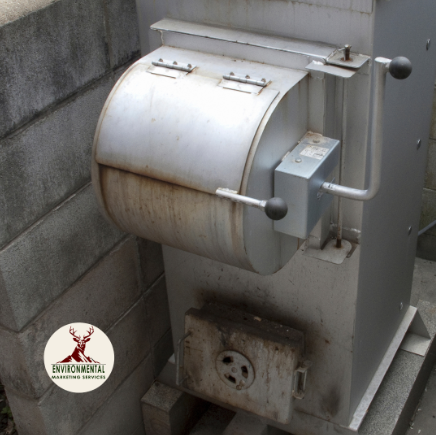
– Incineration (burning at high heat in special facilities) destroys harmful parts before final disposal at licensed sites such as treatment, storage, and disposal facilities (TSDFs).
The right treatment for each batch depends on what the waste contains and how dangerous it could be if left untreated. Every step follows federal and state guidelines to prevent harm and make sure disposal is as safe as possible.
Environmental Marketing Services uses driven route pickup and custom scheduling so waste is picked up on a reliable basis, helping organizations stay organized through all seasons.
Why Rules and Compliance Matter
Every process in chemical waste handling follows clear, regulated rules. These are set by agencies like the Environmental Protection Agency (EPA) to protect people and nature. Regulations explain how each type of waste should be packed, labeled, moved, and destroyed.
Following this guidance is not just about avoiding fines. It is about showing care for staff and the public. If a business skips steps or chooses an unqualified provider, the risk of spills or injuries goes up quickly.
When selecting who will handle waste, these factors matter:
– Valid permits and all required certifications in waste transport and handling
– Transparent safety record (accident rates and reporting procedures)
– Solid waste tracking systems that give proof every step was completed
Trustworthy providers will have these ready and up to date. They keep records of every waste item, from pickup to final treatment.
Choosing the Right Time for Disposal Services
Fall brings new challenges for chemical waste management. Cooling temperatures can make access to outdoor storage areas harder, especially where rain, frost, or even early snow is possible. Some chemicals behave differently in the cold, and transport logistics might change. This makes autumn a good time to review waste plans before winter makes everything tougher.
A quick site walkthrough can help organizations spot expired substances, review container seals, and ensure documentation matches inventory. Routine reviews are simple, but skipping them may lead to missed pickups or dangerous storage mix–ups.
A few good checks to run each fall are
– Are all containers sealed and away from walkway heat sources
– Did any chemicals expire since your last review
– Is your inventory updated, clear, and easy to follow
Regular, seasonal reviews keep surprises to a minimum and help businesses plan pickups before bad weather causes delays.
Cleaner Workspaces, Safer Communities
Chemical waste is a bigger problem when left unmanaged. Safe storage and disposal is not just about clearing out clutter. It is about making sure every space stays safe for those who use it, and for the neighborhoods and towns nearby.
Taking regular steps toward careful handling, proper storage, and scheduled pickups means fewer hazards on the job and offsite. It is easier to work with peace of mind, knowing records match reality, nothing is hidden or leaking, and everything is done with care.
Keeping up with checklists, staying on top of deadlines, and working with knowledgeable waste services does not just make each workday easier. It makes workplaces and communities safer for everyone now and going forward.
If chemical waste piles up or gets stored the wrong way, small issues can quickly turn into bigger problems. That’s why regular checks and steady support matter, especially as colder weather approaches. For teams handling corrosive, flammable, or unstable materials, our hazardous waste services keep things safe and running smoothly. At Environmental Marketing Services, we manage each step so nothing gets overlooked. Let’s schedule your next pickup or review today.