Protecting People, Property, and the Planet
Proper hazardous waste disposal is one of those responsibilities that rarely makes headlines when it is done right, but it can cause serious harm when it is ignored. When wastes are mishandled, people can be injured, property can be damaged, and local air, soil, and water can be contaminated. For commercial and industrial facilities, that risk sits right alongside another one: the potential for fines, shutdowns, and long-term damage to your brand if regulators find problems.
Hazardous waste is any discarded material that can cause harm because it is flammable, corrosive, reactive, or toxic. It is different from ordinary trash, recycling, and even many industrial byproducts, and it must be handled with specific controls. Universal waste and non-hazardous waste also carry requirements, but they are not always as strict.
In this guide, we share how we at Environmental Marketing Services, LLC think about hazardous waste disposal from the generator’s perspective. Our goal is to help you understand what you are generating, how to manage it safely on site, and how to meet regulatory expectations without losing focus on your core operation. With the right systems and the right partners, compliance becomes more manageable and your operation becomes safer for everyone who works there.
What Counts as Hazardous Waste and Why It Matters
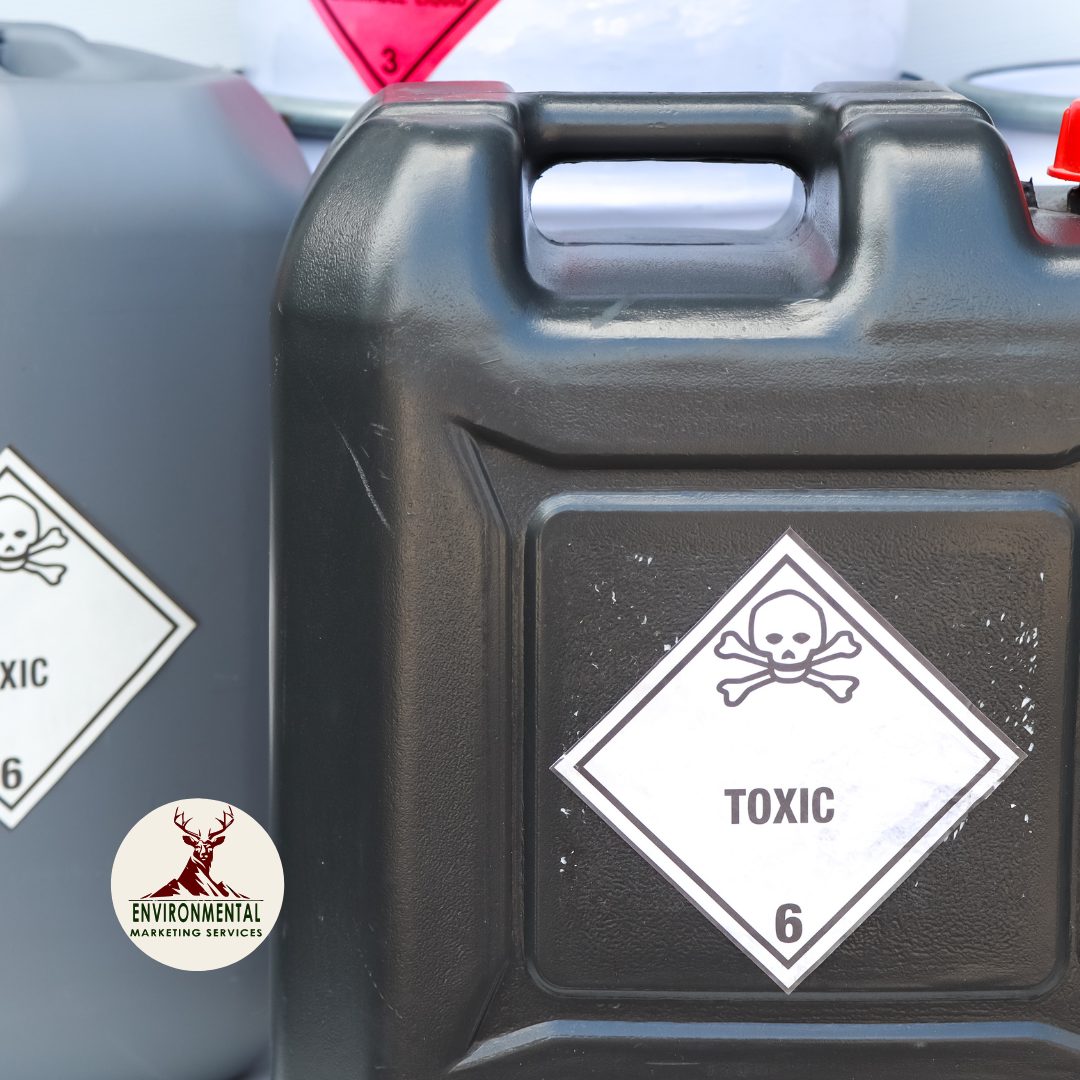
Regulators define hazardous waste using four main characteristics, but these can be understood in straightforward terms. If a waste catches fire easily, that is ignitable. If it can burn skin or metal, that is corrosive. If it can explode or release dangerous gases, that is reactive. If it contains substances that can poison people or the environment at relatively low levels, that is toxic.
In commercial and industrial settings, these properties show up in familiar materials. Common examples include:
- Spent solvents from cleaning or degreasing
- Leftover paints, coatings, and thinners
- Lab chemicals and reagents
- Aerosol cans with residual product
- Contaminated rags, wipes, and absorbents
- Certain batteries, lighting, and electronics
Hazardous waste is different from non-hazardous industrial waste, which may still need special handling but does not meet those hazard criteria. Universal waste, such as many types of lamps, some batteries, and certain electronics, falls into a separate category designed to encourage recycling while still controlling risk. Each category has its own rules for packaging, storage, transportation, and final disposition.
Correctly identifying what you have is the starting point for compliant hazardous waste disposal. That classification affects:
- How you label and store containers
- Which accumulation time limits apply to your facility
- What kind of transporters and disposal facilities you can use
- Which documents and records you must keep
When we profile waste streams for our clients, we focus first on accurate identification, because every other compliance step depends on that foundation.
Safe Handling and On-Site Storage Fundamentals
Once you know what you are handling, the next priority is safe, organized storage on your site. Containers should be compatible with the waste they hold, kept in good condition, and closed except when waste is being added or removed. Clear labels that state the contents and hazard information are one of the simplest ways to prevent mistakes and avoid citations.
Incompatible wastes, such as acids and bases or oxidizers and fuels, should never be stored together. Segregation can be as simple as separate drums, pallets, or containment areas, but it needs to be intentional. Secondary containment, like spill pallets or bermed areas, helps keep leaks from spreading.
Basic safety measures around hazardous waste areas are essential. These typically include:
- Appropriate PPE for the materials present
- Spill kits sized for the largest container in the area
- Ventilation for volatile or odorous wastes
- Unobstructed access to exits and emergency equipment
Employees who work with waste do not need to become regulatory experts, but they should understand labeling, closure, what to do in a spill, and when to escalate concerns. Regular refresher discussions help keep good practices from slipping over time.
Most facilities have both small collection points and larger central storage. Satellite accumulation areas are usually located at or near the point of generation and have tighter volume limits. Central accumulation areas are where full containers are stored while awaiting shipment off site. Both types need adequate aisle space for inspections and emergency access, routine checks for leaks or corrosion, and prompt correction of any issues found.
Disciplined on-site management reduces the chance of injuries, fires, and releases. It also makes it much easier for your hazardous waste disposal partner to pick up, transport, and manage your materials efficiently and in line with regulations.
Regulations and Generator Responsibilities
Hazardous waste regulations focus heavily on the responsibilities of the generator, which is the facility that creates the waste. Instead of memorizing legal citations, it helps to know the big picture: regulators want to know who generated the waste, where it went, how it was handled, and whether it reached an appropriate treatment, recycling, or disposal facility.
Generators are grouped into categories based on how much hazardous waste they produce in a given period. Very small quantity generators typically have more flexibility but still must manage waste safely. Small and large quantity generators face tighter limits on how long they can store waste, how much they can accumulate, and what training and records they must keep.
Core compliance elements usually include:
- Obtaining and using an EPA identification number when required
- Using manifests to track off-site transportation and receipt
- Preparing land disposal restriction notices for applicable wastes
- Providing appropriate training for employees who handle hazardous waste
- Keeping records of waste determinations, shipments, and training
Common violations tend to be simple things that slip through the cracks: containers left open, missing or incomplete labels, or gaps in paperwork. We encourage clients to build repeatable procedures, such as weekly inspections with checklists and standard labeling templates, so compliance becomes a habit rather than a scramble when an inspector arrives.
Choosing the Right Disposal and Recycling Partner
Selecting a hazardous waste disposal partner is not just about finding someone with a truck. You are sharing liability for the waste from your dock to its final treatment or disposal, so you want a company with proper permits, insurance, and a solid track record. Experience with your industry is important, because different sectors tend to generate distinct waste streams with their own quirks.
Turnkey service can make life easier, especially if you have a mix of hazardous, non-hazardous, and universal waste. A partner that can handle profiling, packaging guidance, transportation, disposal, and recycling helps you keep everything coordinated instead of juggling multiple vendors. That is a big part of how we support clients at Environmental Marketing Services, LLC, whether they have a single facility or multiple locations across the country.
Whenever feasible, recycling and waste-to-energy options can reduce the amount of material going to landfill and can shrink your long-term environmental footprint. For businesses, this often translates into lower liability and stronger sustainability reporting, which can be important to customers, investors, and employees.
By aligning your internal procedures with an experienced disposal and recycling partner, you put yourself in a stronger position during audits and inspections and free up your team to stay focused on production, research, or other core activities.
Turning Compliance Into a Safer, Greener Operation
Hazardous waste disposal does not have to be a constant source of stress. When you start with accurate identification, apply sound handling and storage practices, and work with a knowledgeable partner, your waste program can support safety, compliance, and environmental goals at the same time.
We encourage every facility to take an honest look at its current practices. Are containers consistently labeled and closed? Are accumulation areas inspected on a regular schedule, and are records easy to find and understand? Are employees confident about what to do when something unexpected ends up in the waste stream?
At Environmental Marketing Services, LLC, we help commercial and industrial generators across the United States manage hazardous, non-hazardous, and universal waste with these questions in mind. With thoughtful planning and the right support, hazardous waste disposal becomes a predictable, well-controlled part of your operation, instead of a lingering concern in the background.
Protect Your Facility With Compliant Waste Solutions Today
If you are ready to streamline compliance and reduce risk, our team is here to handle your hazardous waste disposal safely and efficiently. At Environmental Marketing Services, we work closely with you to design disposal plans that fit your operations and regulatory requirements. Reach out to our specialists with your questions or project details through our contact page, and we will respond promptly with clear next steps.