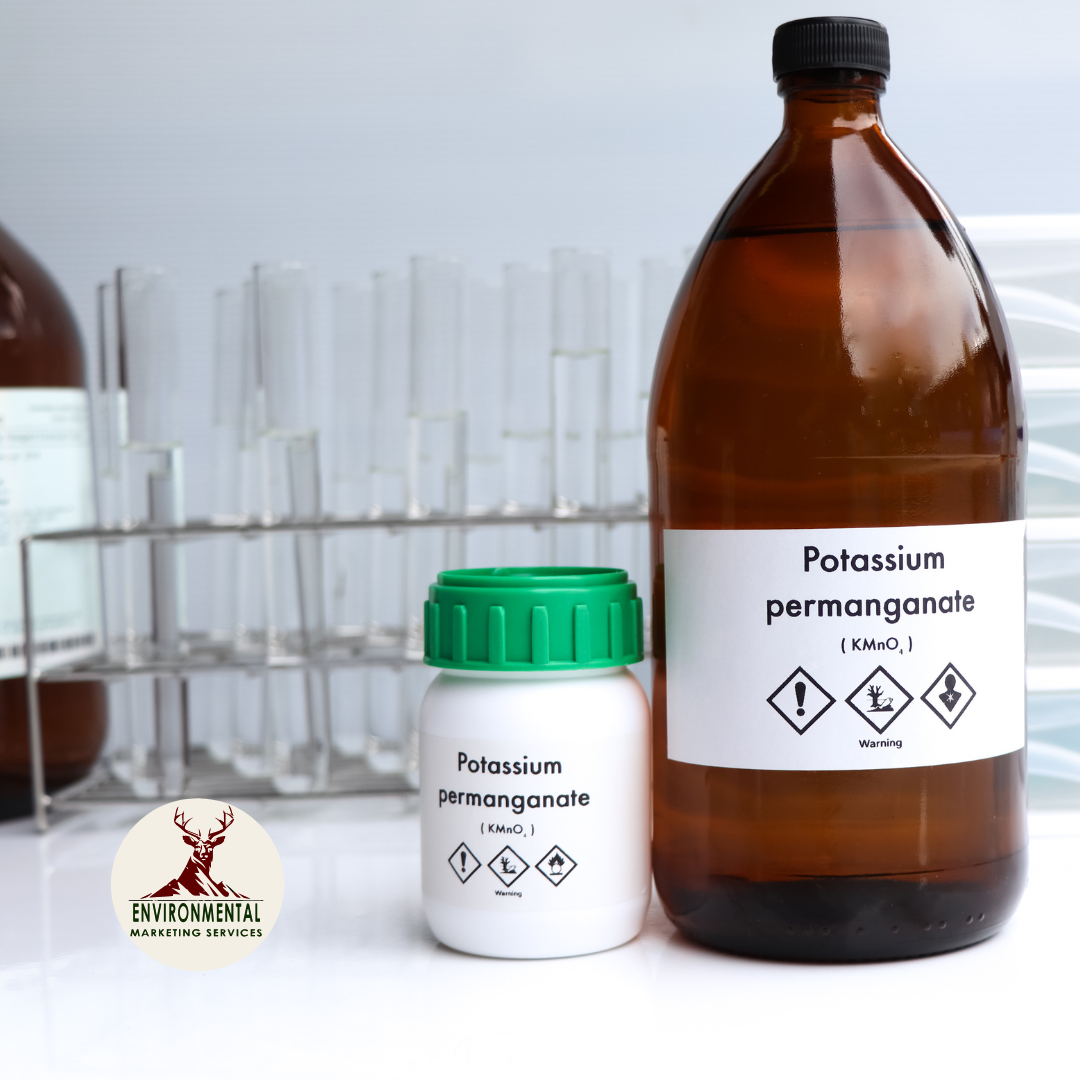
Protecting People and the Planet with Safer Waste Management
Toxic waste disposal is not just a regulatory checkbox; it is a daily safety, environmental, and business concern for industrial, laboratory, healthcare, and commercial facilities. The chemicals, byproducts, and process wastes that keep operations running can become serious hazards once they are no longer needed. If they are not handled correctly, they put employees, neighbors, and local ecosystems at risk.
Improper toxic waste disposal can lead to worker injuries, long-term health effects, contaminated soil and water, and significant penalties from regulators. On the other hand, a well-designed waste program supports compliance, lowers risk, and often improves operational efficiency. At Environmental Marketing Services, LLC, based in Seneca, South Carolina, and serving generators across 47 states, we help facilities manage hazardous, non-hazardous, and chemical waste in ways that protect people, property, and the environment.
Understanding What Counts as Toxic Waste
Many generators use different terms for their waste streams, but regulations draw specific lines that matter. Hazardous waste generally includes materials that are ignitable, corrosive, reactive, or toxic, such as spent solvents, certain lab reagents, or some industrial byproducts. Non-hazardous waste can still be regulated and may include process water, some sludge, or general industrial waste that does not meet hazardous criteria but still needs controlled handling. Chemical waste can fall into either category, depending on its composition and characteristics.
Under the Resource Conservation and Recovery Act (RCRA), the Environmental Protection Agency defines hazardous waste and sets out characteristic categories. A waste may be hazardous if it is:
- Ignitable, such as many solvents and alcohols
- Corrosive, like strong acids and bases
- Reactive, such as some cyanide or sulfide-bearing wastes
- Toxic, based on specific contaminants and test methods
Generator status is another key concept. Facilities are classified as large quantity generators, small quantity generators, or very small quantity generators based on how much hazardous waste they produce in a month. This status affects accumulation time limits, storage requirements, training expectations, and paperwork. Misclassifying a waste stream or generator status can lead to fines, unsafe handling, and higher-than-necessary toxic waste disposal costs.
We regularly see that careful identification and classification of each waste stream is one of the fastest ways to improve compliance and control expenses. If every drum is treated as highly hazardous just in case, costs rise quickly. If waste is treated as non-hazardous when it should be hazardous, risks and penalties grow just as fast.
Core Best Practices for Safe Toxic Waste Disposal
Safe toxic waste disposal starts with segregation and labeling. Incompatible materials should never be combined in the same container, both to avoid dangerous reactions and to prevent costly disposal problems. Containers should be DOT-compliant for the material they hold, in good condition, and closed except when waste is being added or removed. Clear labels, including full chemical names and hazard information, help everyone from operators to transporters handle waste correctly.
Storage and handling practices matter just as much. Facilities should use secondary containment for liquids to capture leaks, keep aisles clear for inspections and emergency access, and store incompatible materials away from each other. Routine inspections of storage areas help identify corrosion, bulging containers, or missing labels before they turn into incidents. Spill prevention measures and supplies should be readily available, and employees should know exactly what to do if a release occurs.
Effective programs also rely on staff training and written procedures. Employees should be able to recognize different waste streams, understand which container to use, and know how to mark accumulation start dates and labels. Written procedures should spell out how to manage routine activities, handle spills, and respond to emergencies. This kind of safety culture is not just about avoiding penalties, it protects the people who work closest to the waste every day.
For transportation and final disposal, generators should work with transporters and facilities that understand hazardous, non-hazardous, and chemical waste requirements. That includes permitted treatment, storage, and disposal facilities and transporters experienced with manifests, packaging, and routing. At Environmental Marketing Services, we focus on providing transportation and disposal options that align with regulatory requirements and the specific needs of each generator.
Federal and State Compliance Requirements
Toxic waste disposal is influenced by several federal agencies. The EPA sets rules for hazardous waste identification, storage, and disposal under RCRA. The Department of Transportation regulates how hazardous materials are packaged, labeled, and transported on public roads. OSHA requirements address worker safety, including communication of chemical hazards, personal protective equipment, and emergency response planning.
Documentation is a cornerstone of compliance. Generators often need:
- Accurate waste profiles that describe each waste stream
- Hazardous waste manifests to track shipments from pickup to final disposal
- Land Disposal Restriction forms for applicable wastes
- Records of inspections, training, and contingency plans
These records show regulators that waste has been managed responsibly and help facilities track their own performance over time. Keeping them organized and available is just as important as filling them out correctly.
State rules also play a large role. Some states are more stringent than federal regulations, with additional reporting, permitting, or handling requirements. For companies with facilities in multiple states, differences can be confusing if they are not managed systematically. Working with a nationwide provider that supports generators across 47 states helps keep expectations consistent, reduces confusion, and simplifies program management.
To lower compliance risk, we recommend that facilities regularly review their waste streams, storage areas, and paperwork. Practical steps include:
- Conducting internal audits of containers, labels, and accumulation times
- Reviewing and updating emergency response and contingency plans
- Refreshing staff training on a regular schedule
- Checking that manifests and profiles match current operations
These actions not only support compliance, they often uncover chances to lower costs or improve safety.
Building a Sustainable and Cost-Effective Waste Program
A strong toxic waste disposal program goes beyond end-of-pipe handling. Waste minimization and source reduction are powerful tools to lower disposal volumes and expenses. This might involve switching to less hazardous materials when possible, optimizing processes to reduce off-spec batches, or improving inventory control so chemicals are used instead of expiring on the shelf.
For many waste streams, beneficial reuse and recycling options may be available. Some solvents can be reclaimed, certain metal-bearing wastes can be recycled, and selected materials can be used in fuel blending programs instead of being landfilled. When appropriate and compliant, these options can reduce environmental impact and sometimes lower overall cost compared to conventional disposal.
Working with a full-service provider helps facilities look at the entire waste life cycle, not just the outbound shipment. Coordinated pickups, route planning, and consolidated services across locations can cut down on redundant trips and simplify scheduling. A single point of contact for hazardous, non-hazardous, and chemical waste also makes it easier for EHS and operations teams to manage their responsibilities.
Responsible toxic waste disposal supports more than compliance. It reinforces a company’s commitment to environmental, social, and governance (ESG) goals and shows employees, customers, and communities that safety and stewardship are priorities. Industrial, laboratory, and healthcare organizations that invest in thoughtful waste programs often find that these efforts support long-term reputation and operational stability.
Partnering with Experts for Ongoing Compliance and Safety
Every facility generates waste in its own way, but the expectations for safety, documentation, and environmental protection apply to all. Reviewing current storage areas, waste profiles, manifests, and training records is a valuable first step in identifying gaps and opportunities. From there, updating procedures, refreshing training, and streamlining vendor relationships can bring real improvements in both risk reduction and efficiency.
Environmental Marketing Services, LLC supports hazardous, non-hazardous, and chemical waste transportation and disposal for generators across much of the United States. By focusing on safe handling, compliant documentation, and appropriate treatment or disposal options, we work with industrial, laboratory, healthcare, and commercial facilities to manage toxic waste responsibly over the long term.
Protect Your Facility And Community With Compliant Waste Solutions
If you need reliable toxic waste disposal, our team at Environmental Marketing Services is ready to help you handle hazardous materials safely and meet all regulatory requirements. We work with you to assess your waste streams, develop a practical plan, and schedule service that fits your operations. To discuss your needs or request a quote, simply contact us and we will respond promptly with next steps.