Protect Your Team and Business From Waste Risk
Toxic waste management starts with knowing what is on your site and treating every questionable material with care. Improper handling can put employees, customers, nearby communities, and the environment at risk. It can also lead to compliance problems, legal exposure, interrupted operations, and damage to your business’s reputation.
The term “toxic waste” is often used broadly, but agencies may regulate materials under more specific categories, including hazardous waste, universal waste, and non-hazardous industrial waste. Accurate classification is the starting point for safer disposal decisions. We recommend building a process that helps you identify materials, store them safely, document shipments, and prepare for changing conditions throughout the year.
Identify Materials That Require Special Management
A product label can provide useful clues, but it should not be the only thing you use to classify waste. Safety Data Sheets, process knowledge, laboratory results, and waste profiles can help determine whether a material has properties such as ignitability, corrosivity, reactivity, or toxicity.
Waste streams that may need special handling can include:
- Solvents, paints, pesticides, and chemical products
- Contaminated absorbents, aerosols, and industrial sludge
- Laboratory chemicals and cleaning materials
- Batteries, mercury-containing lamps, and electronic equipment
- Damaged, expired, or unknown products
Some materials, including certain batteries, lamps, and electronics, may qualify as universal waste. That category can have different management requirements than fully regulated hazardous waste, but it still requires organized handling and proper disposal planning.
Requirements may vary based on your location, the type of waste, and the amount your facility generates. If you operate in more than one state, do not assume that a procedure used at one site applies everywhere. We encourage reviewing each facility separately before you accumulate, ship, recycle, or dispose of regulated materials.
Build a Clear Toxic Waste Management Program
A strong toxic waste management program begins with a current waste inventory. You should know what waste is generated, where it comes from, how often it is produced, and how it is classified. Keeping this information organized supports better disposal decisions and can reveal areas where waste can be reduced before it becomes a storage issue.
Your written program should assign clear responsibilities so employees know who handles inspections, paperwork, training, and emergency communication. Confusion is one of the fastest ways for a small waste issue to become a larger problem.
We recommend including these core practices in your program:
- Identify and document every recurring waste stream
- Train employees on handling, labeling, and reporting concerns
- Maintain emergency contacts and response procedures
- Inspect accumulation areas on a routine schedule
- Create clear steps for spills, damaged containers, and unknown materials
Generator responsibilities can change when operations change. A new product line, expanded facility, different cleaning product, or increased production volume may affect how your waste must be managed. Accumulation limits, labeling rules, inspection duties, reporting obligations, and training needs should be reviewed regularly with applicable federal, state, and local requirements in mind.
For organizations with several locations, consistency matters. Keeping waste profiling, shipping paperwork, and disposal planning organized from site to site can help support safe, compliant management practices.
Prepare Waste for Safe Storage and Transport
The right container helps prevent leaks, damage, and accidental exposure. Containers should be compatible with the material inside, kept in good condition, and securely closed when they are not actively being filled. A container that is corroded, cracked, bulging, or missing a lid needs prompt attention.
Material compatibility is equally important. Do not mix wastes simply to save space. Acids and bases, oxidizers and flammables, or reactive materials and water can create dangerous conditions when stored together. When you are unsure about a material, keep it separate and follow your established procedure for unknown waste.
Storage areas should be orderly, accessible, and protected from unauthorized entry. Accurate labels help employees understand what is inside each container and what hazards may be present. Routine inspections can catch missing labels, blocked aisles, deteriorating containers, and waste held beyond an applicable accumulation period.
Before waste leaves your facility, packaging, markings, labels, shipping papers, and manifests should be reviewed for the shipment. Waste should move only through properly authorized transportation providers to approved treatment, storage, recycling, or disposal facilities. Good documentation creates a clear record of where materials came from and where they were sent.
Prepare for Autumn and Winter Conditions
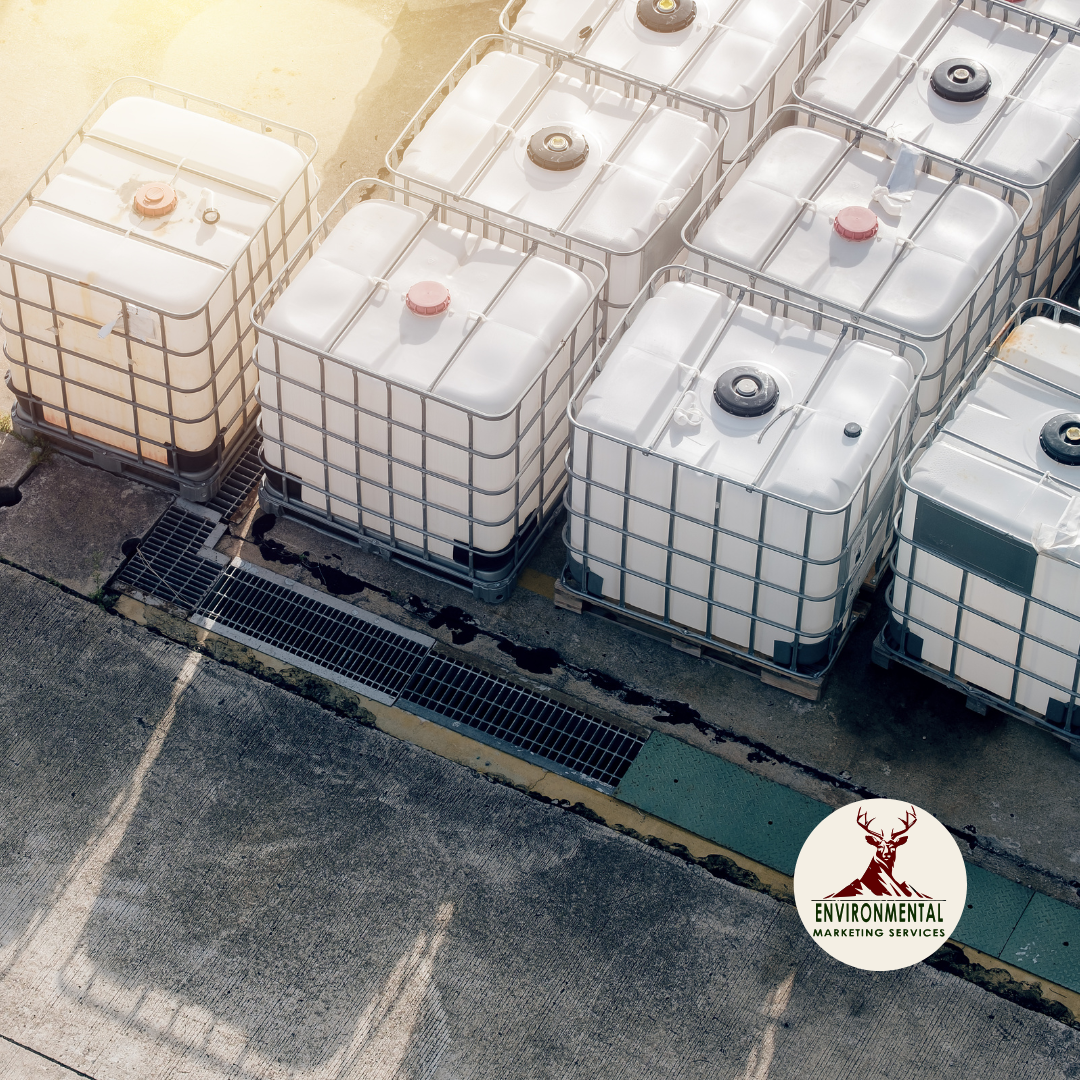
Outdoor waste areas need extra attention as colder, wetter weather approaches. Heavy rain, freezing temperatures, wind, and storm debris can affect containers, secondary containment, drains, roofs, and access routes. Delayed pickups can also leave materials on site longer than expected.
A seasonal review can help you spot concerns before bad weather arrives. Look closely at outdoor storage areas, container covers, drainage paths, and the condition of pallets or other support materials. Make sure emergency supplies are available and that staff know what to do if weather damages a container or makes the site difficult to access.
Fourth-quarter planning is also a practical time to complete waste inventories and review upcoming closures. Before holiday schedules and winter storms create delays, confirm that storage areas have room, records are current, and planned shipments are properly coordinated.
Put Safer Practices Into Action
Start with a focused review of your current waste streams, storage areas, employee training, and shipment records. Even a straightforward assessment can uncover unlabeled containers, unclear responsibilities, outdated waste profiles, or materials that have been sitting longer than expected.
A safer program is built through regular attention, not last-minute cleanup. Keep your inventory current, separate incompatible materials, inspect storage areas, document decisions, and plan for seasonal disruptions before they affect your operations.
Strengthen Compliance With Expert Support
Environmental Marketing Services can help you build a practical approach to toxic waste management that supports safety, compliance, and operational continuity. Our team can help clarify handling requirements, improve documentation, and identify responsible disposal options. Contact us to discuss your facility’s needs and next steps.