Chemical waste is part of daily life for many businesses, whether you run a manufacturing plant, a hospital, a school lab, or a commercial facility. It includes hazardous chemicals, non-hazardous byproducts, universal waste like lamps and batteries, lab and healthcare chemicals, and a wide range of industrial residues. Managing all of that safely is not just a regulatory box to check; it is about protecting your employees, your facility, and the communities where you operate.
Proper chemical waste disposal reduces the risk of fires, releases, and exposure incidents, helps prevent soil and water contamination, and supports a stronger brand reputation. Customers, employees, and regulators pay attention to how organizations handle their waste. At the same time, regulations from agencies like the EPA, DOT, and OSHA, plus state and local rules, can quickly get confusing for internal teams. As a nationwide transporter and disposal provider based in Seneca, South Carolina, we at Environmental Marketing Services, LLC help businesses turn a complex responsibility into a safer, more predictable process.
Understanding Your Chemical Waste Streams
A wide variety of organizations generate chemical waste, often in more ways than they realize. Manufacturing and industrial plants, research and quality-control labs, hospitals and clinics, schools and universities, auto and truck maintenance shops, warehouses, and commercial buildings all produce different waste streams that need attention.
Common chemical wastes include:
- Solvents and degreasers
- Acids, bases, and other corrosive liquids
- Laboratory reagents and expired chemicals
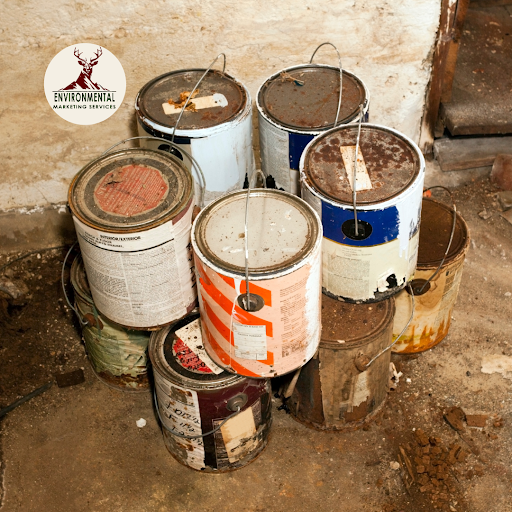
- Paints, coatings, and paint-related materials
- Oily wastes, used oil, and sludges
- Pesticides and herbicides
- Cleaning chemicals and disinfectants
- Aerosol cans and pressurized cylinders
- Universal waste such as lamps, batteries, and electronics
From a practical standpoint, hazardous waste is material that meets specific EPA criteria for ignitability, corrosivity, reactivity, or toxicity, or that appears on certain regulatory lists. Non-hazardous industrial waste does not meet those criteria but still cannot go in regular trash or down the drain. Universal waste is a special category, often including items like fluorescent lamps and some batteries, with streamlined rules to encourage proper recycling and disposal.
Getting these classifications right is essential. Misclassifying waste can lead to denied shipments at disposal facilities, unexpected costs, fines, and unnecessary exposure risks for workers and transporters. It also increases liability if there is an accident during transportation or at a treatment facility. We help clients profile and categorize each waste stream so it moves through the right regulatory pathway from the start.
Regulatory Basics Every Business Should Know
Several key federal regulations shape how chemical waste disposal must be handled. The Resource Conservation and Recovery Act (RCRA) governs hazardous waste identification, storage, and disposal. The Department of Transportation (DOT) regulates how hazardous materials are packaged, labeled, and transported on public roads. OSHA focuses on worker protection, including exposure limits, hazard communication, and the use of personal protective equipment.
Your generator status under RCRA affects what you are required to do. Very Small Quantity Generators, Small Quantity Generators, and Large Quantity Generators face different expectations for training, reporting, inspection frequency, and how long waste can be stored before shipment. As the volume of hazardous waste increases, the rules typically become more demanding.
Across all generator types, recordkeeping is a major part of compliance. Businesses are expected to maintain:
- Hazardous waste manifests and shipping papers
- Waste profiles and analytical results
- Employee training records
- Inspection logs for storage and accumulation areas
- Emergency and contingency plans
On top of that, many states and local jurisdictions add their own requirements, which can vary by location. For multi-site companies, this can quickly turn into a patchwork of differing expectations. Because we work with clients across the country, we are familiar with managing programs that must meet multiple sets of rules without unnecessary complexity.
Best Practices for Safe Chemical Waste Handling
Good chemical waste disposal starts with what happens inside your facility. Storage and labeling are your first lines of defense. Use compatible containers that are in good condition, keep lids closed when not in use, and clearly label each container with the full chemical name and appropriate hazard information, not just internal codes or abbreviations. Incompatible materials should be separated so that acids are not near bases and oxidizers are not next to organic solvents.
On-site, it helps to designate clear accumulation areas for chemical waste. These areas should have secondary containment where appropriate, access to spill kits, and posted emergency instructions. Regular inspections allow you to catch problems like deteriorating containers, missing labels, or blocked access routes before they turn into incidents.
Employee training is just as important as good equipment. Staff need to recognize chemical waste, know which containers to use, understand what should never go down a drain or into regular trash, and be comfortable with basic spill and exposure response. Even simple reminders, such as avoiding overfilling containers or mixing unknown materials, can make a big difference in safety and compliance.
Before waste leaves your site, each stream should be properly profiled. Accurate profiles help ensure the correct treatment or disposal method, from fuel blending to incineration or specialized treatment processes. Keeping thorough documentation is your best protection during inspections and audits, showing that your business has taken chemical waste disposal responsibilities seriously at every step.
Partnering with a Nationwide Chemical Waste Expert
Working with an experienced transporter and disposal company can simplify nearly every aspect of chemical waste management. At Environmental Marketing Services, LLC, we start by reviewing your waste streams, operating practices, and regulatory obligations. From there, we help select appropriate transportation methods and disposal or treatment facilities based on waste type, regulatory status, and your operational needs.
Regulations treat hazardous waste under a cradle-to-grave concept. That means the generator remains responsible from the moment waste is created until it reaches final treatment or disposal. When businesses work with a single trusted provider, it becomes much easier to control risk at each stage: accumulation, packaging, loading, transportation, and final processing.
Our team manages hazardous and non-hazardous industrial waste, universal waste, and specialized materials like lab packs and healthcare-related chemical waste. Whether a client needs help with a one-time cleanout or an ongoing program with scheduled pickups, we aim to keep the process predictable and compliant. From our base in Seneca, South Carolina, we support locations across the United States, which is especially helpful for companies looking to standardize their approach across multiple facilities.
Building a Safer, More Sustainable Waste Program
A strong chemical waste disposal program does not happen by accident. It grows from regular evaluation, honest assessment of risk, and a willingness to improve. Many organizations benefit from a structured waste audit, where they identify all waste-generating processes, confirm current classifications, and compare on-site practices with regulatory requirements and internal policies.
As you review your program, consider:
- Are containers, labels, and storage areas in good condition and clearly organized?
- Do employees know how to handle spills and exposures confidently and safely?
- Are records complete, accessible, and up to date?
- Is your current vendor providing clear documentation and reliable support?
- Are there opportunities to reduce waste generation or shift materials to recycling streams where appropriate?
Refreshing staff training, updating written procedures, and reviewing contracts with existing waste vendors can uncover ways to improve safety and control costs at the same time. By taking a thoughtful, structured approach to chemical waste disposal, businesses can better protect employees, support environmental goals, and maintain compliance in a regulatory environment that rarely stands still.
Protect Your Facility With Compliant Waste Management Today
If you are ready to handle hazardous materials safely and stay compliant, our team at Environmental Marketing Services is here to help. We provide tailored chemical waste disposal solutions that fit your operations and regulatory requirements. Reach out so we can evaluate your current processes, identify risks, and recommend the safest, most efficient path forward. To discuss your needs with our specialists, simply contact us today.