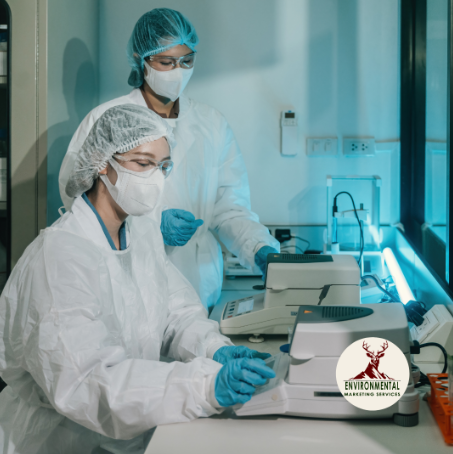
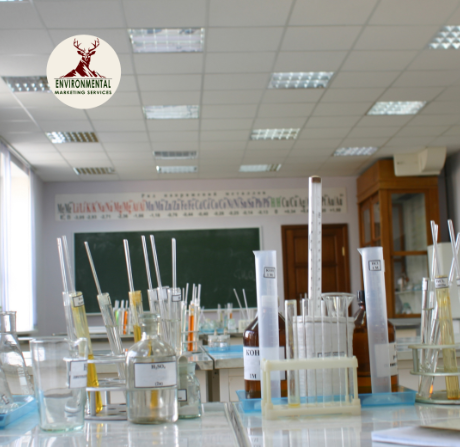
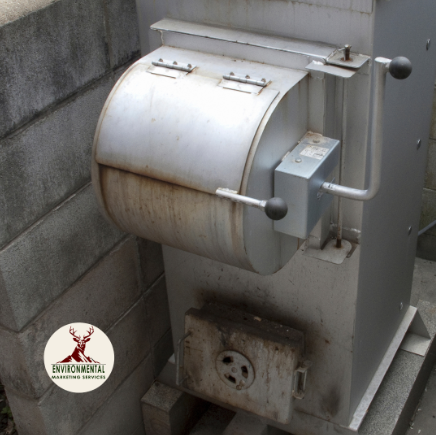
Disposing of lab materials the right way matters, especially in places like school science rooms, medical labs, and research buildings. When these tasks are rushed or skipped, even small amounts of leftover chemicals or broken glass can cause real trouble. With fall arriving and winter coming soon, many Nebraska labs are checking their cabinets for outdated supplies or starting end-of-year cleanouts. Lab waste disposal Nebraska becomes more important in October when cooler weather makes it safer to handle and store materials. Whether it is expired test tubes or old cleaning products, managing waste correctly keeps everyone safe and prevents problems down the line.
Understanding Lab Waste Types in Nebraska
Lab waste comes in many forms, and what you find in a middle school chemistry class is not the same as what is inside a medical testing center or a private science lab. Still, most of these places handle similar waste types.
– Chemical waste includes items like alcohols, acids, or bases often kept in glass or plastic bottles. Mixing some of these liquids can trigger spills or reactions.
– Glass waste means broken beakers, test tubes, and slides. This type of waste can cut skin and may carry residue, so it should never go straight into the regular trash.
– Sharps are items such as needles, lancets, or blades. Some labs must dispose of these each day, and they always need to go in special containers right away.
– Biological waste comes from labs that work with blood samples, cells, or anything from living things. This waste breaks down quickly, so keeping it safe until removal can be hard.
Every source, from schools to clinics or small labs, deals with waste nearly every day. Having a reliable system in place helps prevent risks.
Why Improper Disposal Creates Risk
Tossing lab waste in the trash or pouring chemicals in the sink might feel easier in the moment, but it brings long-lasting harm. When chemicals go into drains, they can damage pipes and send unsafe liquids into water systems. Throwing sharp glass in standard bins puts anyone taking out the trash at risk for cuts. Mixing even small amounts of certain chemicals by accident can send hazardous fumes into the air.
Changing seasons bring new risks. During hot summer days, chemicals break down faster. In the Nebraska winter, liquids can freeze and crack their containers. Waiting too long to take care of waste can lead to leaks, spills, or contamination as materials grow less stable.
Accidents from lab waste may be small but still put people, animals, and nature in danger. Acting in October to handle waste now means fewer headaches over the winter.
Storage and Labeling Guidelines Before Disposal
Before sending any waste away or dropping it off at a collection site, good storage and labeling come first. The process is simple but important.
– Use the original container when possible. If a new container is needed, make sure it works safely with the chemical or material.
– Label every container with its full, clear name, not just a code.
– Store chemicals and other waste in cool, dry spaces well away from anything flammable or places where children or pets could reach them.
Pay attention to changes in stored waste. Swelling caps, strange smells, or leaking bottles call for quick action. Over time, some materials may react to air or light, so an item that looked fine last fall could be unsafe now.
Strong labeling helps lower mistakes, making sorting and moving waste simpler. It also ensures that only the correct type of waste ends up in each container or bin.
Local Disposal Options and Fall Timing in Nebraska
Many communities across Nebraska set up waste drop-offs or collection events in the fall. These programs give schools, clinics, and labs the chance to clear out old supplies before winter weather makes it trickier to move materials. Collections in the fall are more reliable and often scheduled before cold and snow can close roads.
Some materials have tighter rules, depending on the Nebraska county. Sharps, chemical liquids, mercury, and biological samples often need special paperwork or handling. If you have a mix of waste types or find yourself sorting a large pile, calling your local collection center to check what is accepted is smart. Some professional services offer pickup and documentation to make this process easier and always compliant with Nebraska rules.
Scheduling early in October lets you skip hassles if the weather turns cold. The fall is also when labs slow down, so storage areas are easier to reorganize before holiday breaks.
Choosing the Right Help for Large or Hazardous Loads
Handling a few expired bottles is one thing. If you are sorting years of build-up, dealing with mixed waste, or moving out of a building, getting outside support removes a lot of worry. Professional handlers can match each material with the correct container and find the right disposal path. They can pick up from your location and help with packaging and labeling as well.
Bulk solvents, old reagents, and mixed lab waste all require extra care. Trained teams know how to spot hazards, handle leaks, and transport chemicals and sharps safely. If staff time is limited or you are unsure about how to separate waste, outside help can lower the risk for everyone involved.
When in doubt about a product or if you are facing storage challenges, Environmental Marketing Services can coordinate pickup, consolidation, and compliant disposal. They manage lab pack services (combining small quantities of many chemicals into a single shipping group) that fit Nebraska facility needs.
Getting a second set of well-trained eyes on a big project makes cleanup quicker and less stressful.
A Safer Lab Space Starts with Smarter Waste Choices
Keeping a laboratory safe is not just about daily science. It is about planning what happens with everything left behind. Clear steps for sorting, safe storage, and steady removal make sure small waste problems do not become big ones.
October in Nebraska is a great time to see what has been collecting in drawers, closets, and storage rooms. By getting waste removed before it gets hidden for winter, you protect people, reduce spills, and make the space ready for what comes next. Lab waste disposal in Nebraska is not only a seasonal task—it is the best way to keep school and work environments cleaner, safer, and better prepared for all the work ahead.
At Environmental Marketing Services, we understand how fall cleanup can sneak up when lab materials start to pile up. Setting aside time to sort, store, and clear out waste helps create safer spaces for research, testing, and education across Nebraska. Whether it’s broken glass, expired chemicals, or used sharps, every material needs a safe plan. Our support for hazardous waste services makes it easier to remove sensitive items without the stress. Contact us to plan your next steps and keep your lab ready for the colder months ahead.