Safe, compliant lab packing starts long before containers are loaded for transport. A lab cleanout can involve unidentified chemicals, aging bottles, incompatible materials, incomplete records, and shipping rules that do not apply to ordinary trash. With a clear process, we can help you protect employees, avoid delays, and keep waste moving through the right disposal path.
Year-end cleanouts often need extra lead time. November can be a smart time to review storage areas before audits, budget deadlines, renovations, relocations, and holiday shutdowns make scheduling tighter. At Environmental Marketing Services, we coordinate transportation and disposal solutions for hazardous, non-hazardous, and universal waste for clients.
Turn Lab Cleanouts Into Controlled Shipments
Laboratory cleanouts are rarely as simple as removing old containers from shelves. Materials may have been stored for years, moved between rooms, or left behind after a project ended. Labels can fade, caps can loosen, and records may not match what is physically present.
Starting early gives your team time to identify materials, review access needs, and make informed decisions before a pickup date approaches. It also reduces the temptation to rush through sorting or place unlike materials together just to clear space.
A controlled lab packing project depends on a few connected steps:
- Clear information about the waste and its condition
- Safe segregation and packaging before transport
- Qualified transportation arrangements
- Documentation that follows materials through final disposal
When these pieces are planned together, the cleanout becomes easier to manage and less likely to create surprises on pickup day.
Build a Compliant Lab Packing Plan
Before anyone begins moving containers, we recommend defining the full project scope. A written lab packing plan gives laboratory staff, facilities teams, environmental health and safety personnel, and waste providers the same roadmap.
Start by identifying the rooms and storage areas included in the cleanout. Note chemical types, estimated quantities, access restrictions, pickup deadlines, and the facility contacts who can answer questions. Special access needs, such as restricted labs, loading dock rules, elevator use, or security requirements, should be addressed early.
Responsibilities also need to be clear. Your team should know who can approve waste decisions, provide inventory details, allow access to secured spaces, and review shipping paperwork before materials leave the site. Unclear ownership can slow a project down when questions come up about an unknown container or a last-minute discovery.
Planning must also account for the rules that apply to the materials. Depending on the waste classification and disposal destination, requirements may involve hazardous waste determinations, Department of Transportation shipping descriptions, container standards, labels, and facility acceptance criteria. We help coordinate transportation and disposal details, but accurate information from the laboratory remains a major part of a smooth process.
Identify, Classify, and Segregate Lab Waste
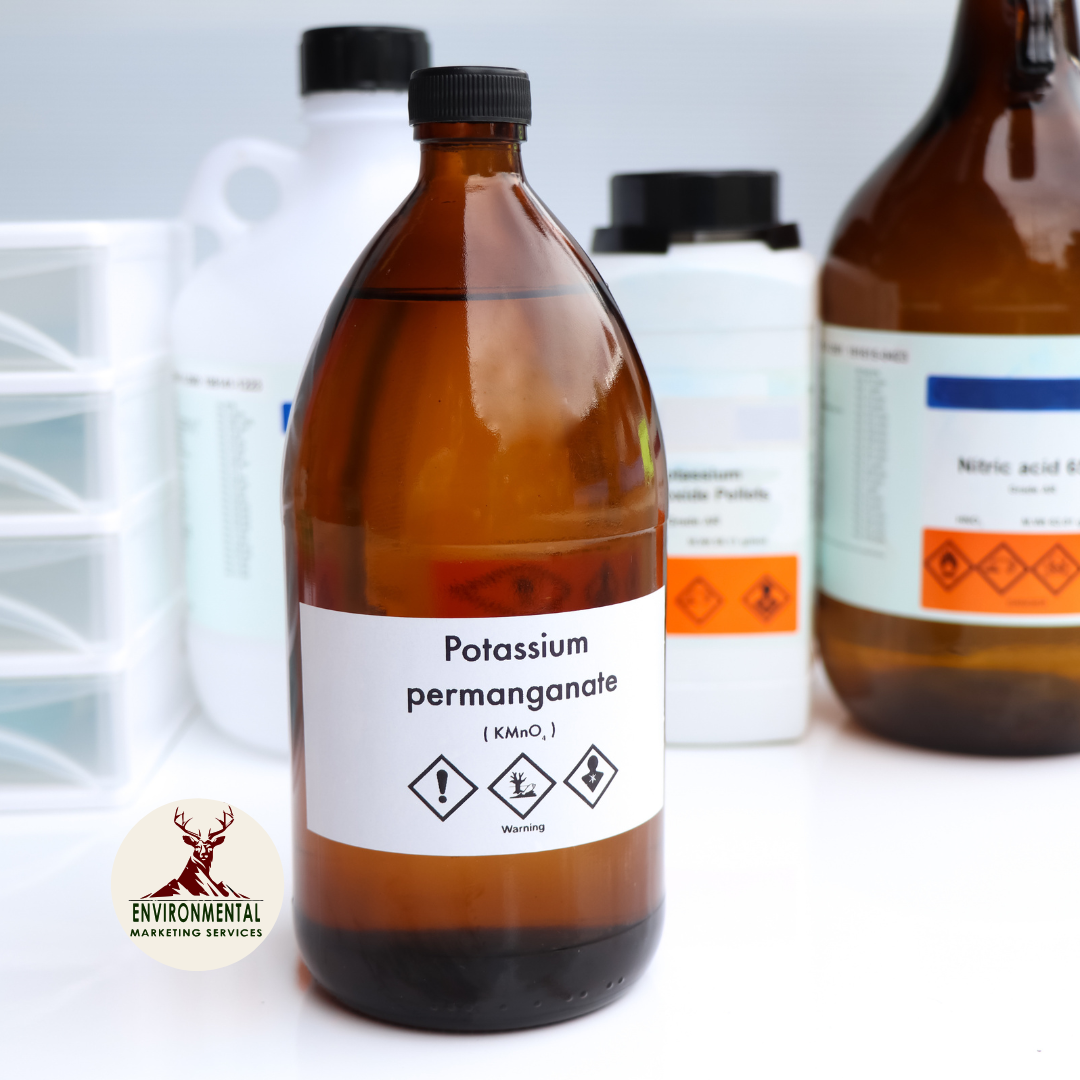
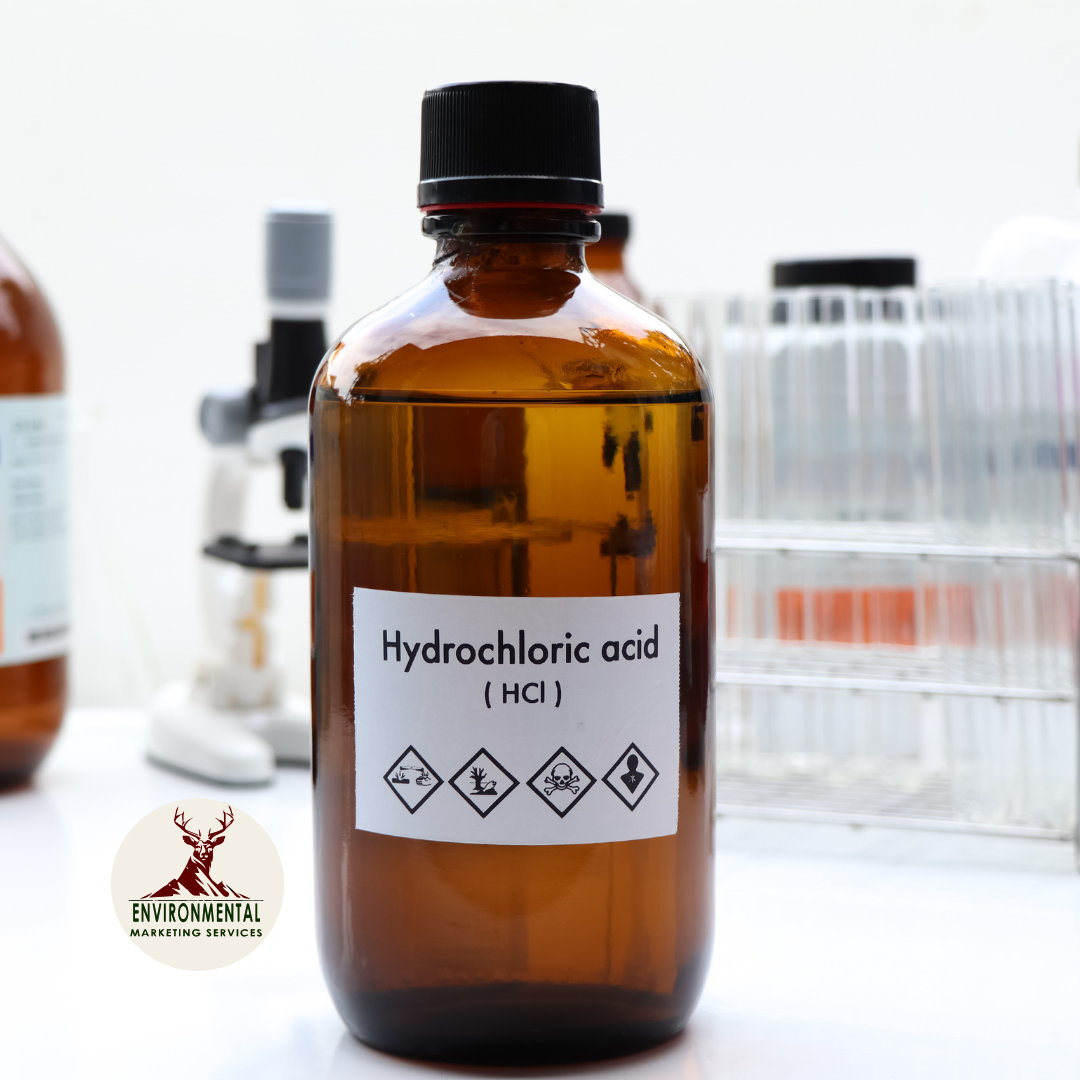
An accurate inventory is one of the strongest safety tools in lab packing. For each item, record the chemical name, manufacturer information, concentration, container size, physical condition, and known hazards. Original labels are helpful, but they are not the only source of information.
Safety data sheets, purchase records, laboratory logs, and old inventory lists may help identify materials that would otherwise need to be managed as unknowns. The more complete the information, the easier it is to determine an appropriate transportation and disposal path.
Materials should be separated by compatibility, not simply by where they were found. A cabinet, closet, or workbench may hold items that require very different handling methods.
- Acids and bases
- Flammables and oxidizers
- Reactive and toxic chemicals
- Compressed gases and mercury-containing items
- Lamps, batteries, and certain electronic devices
Universal waste items, such as lamps and batteries, may follow a different disposal process than chemical waste. Biological and radiological materials can also require separate handling pathways. We recommend that you never combine incompatible chemicals just to reduce the number of containers.
Unknown, deteriorated, or legacy chemicals deserve extra caution. Missing labels, corrosion, leaking caps, crystallization, bulging containers, and damaged packaging can signal a need for trained evaluation. Isolate questionable containers, limit unnecessary handling, and avoid moving or repackaging them until trained personnel can determine a safe path forward.
Package Materials for Safe Transport
Packaging is not just a shipping task. It is a safety control that helps protect laboratory staff, transportation personnel, receiving facilities, and the environment.
The right package depends on the hazards of the material and its transportation requirements. Inner containers should be compatible with the waste, securely closed, and inspected for cracks, leaks, corrosion, loose caps, or pressure concerns. Absorbent materials and cushioning can help manage small leaks and prevent breakage inside an outer container.
Packages also need to prevent shifting and contact between incompatible substances during handling and transport. Strong odors, reactive materials, or compromised containers may require specialty packaging, additional planning, or on-site stabilization before shipment.
Before materials leave your facility, container information should match the shipping description, hazard communication requirements, and waste profile. Clear labels and marks help everyone involved understand what is in the package and how it must be handled.
Document Shipments Through Final Disposal
Good documentation begins before transportation is arranged. Disposal facilities need complete waste profiles that describe a material’s composition, hazards, and physical characteristics. Missing or incorrect details can lead to rejected loads, delays, and extra work after pickup has already been planned.
Shipping and chain-of-custody records should stay organized from the initial inventory through final disposition. Depending on the waste stream and shipment requirements, your records may include inventories, shipping papers, manifests, bills of lading, and certificates of disposal or recycling.
A safe project does not end when the truck leaves the facility. We coordinate hazardous, non-hazardous, and universal waste transportation and disposal through appropriate downstream facilities, helping clients maintain visibility throughout the process. Keep records according to your organization’s requirements and applicable regulations, especially when preparing for inspections, year-end reporting, or a future laboratory transition.
Schedule a Safer Year-End Lab Cleanout
Before year-end deadlines create pressure, take time to review storage rooms, cabinets, and work areas. Give priority to aging inventory, unknown containers, unused chemicals, universal waste, and materials left behind after completed projects. November is a practical point to assess these needs before holiday closures and reduced carrier availability affect pickup timing.
The safest cleanouts come from steady preparation, not rushed decisions. Accurate identification, thoughtful segregation, proper packaging, and complete documentation help create a cleaner, more organized laboratory space for the year ahead.
Get Expert Support for Safer Lab Packing
Environmental Marketing Services provides tailored lab packing solutions to help laboratories manage chemicals, equipment, and regulated materials responsibly. Our team can help streamline complex packing projects while supporting your operational and compliance needs. Ready to discuss your next project? Contact us to get started.