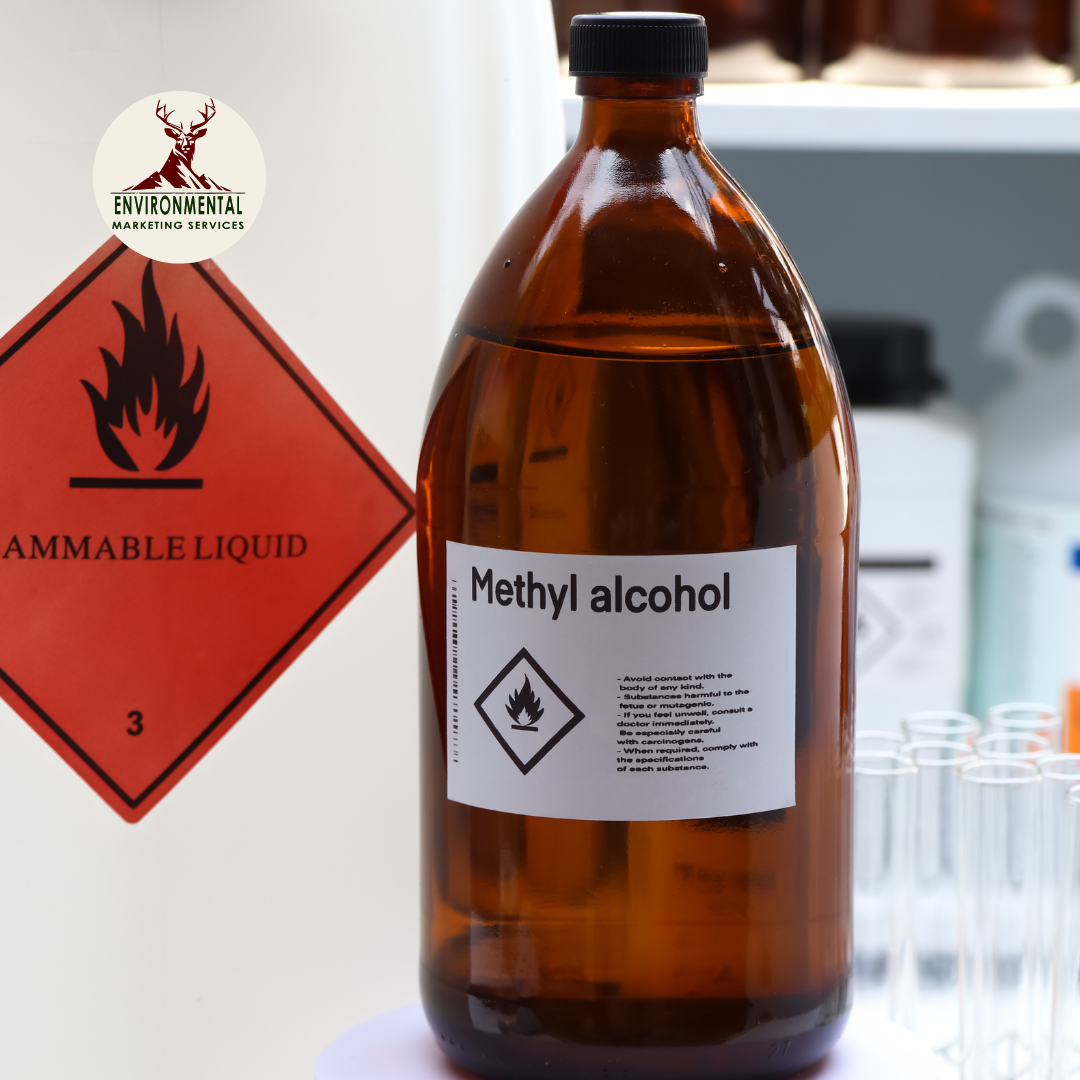
Protecting People and the Planet From Hazardous Waste
Safe hazardous waste disposal is not just about following rules; it is about protecting your employees, your community, and your business. When hazardous materials are handled incorrectly, the results can include injuries, fires, environmental releases, and costly downtime. A thoughtful waste program keeps your facility running smoothly while reducing risk at every step.
At Environmental Marketing Services, LLC, based in Seneca, SC, we work with industrial, healthcare, laboratory, manufacturing, and other commercial generators across most of the United States. We see firsthand how a clear, practical approach to hazardous waste handling reduces liability. In this guide, we explain what counts as hazardous waste, how to handle it safely, what regulations expect from generators, and how a qualified partner can support safer, compliant operations.
In everyday operations, businesses generate different types of waste. Hazardous waste includes things like spent solvents, certain chemical byproducts, and corrosive cleaning acids. Non-hazardous waste is material that does not meet hazardous criteria, such as many general solid wastes. Universal waste covers items like some batteries, fluorescent lamps, and certain pesticides that are regulated in a streamlined way. Chemical waste is a broader term that can be hazardous or non-hazardous, including lab reagents, off-spec products, or expired materials.
Hazardous waste disposal is both a legal obligation and a core risk-management strategy. When you understand your responsibilities and have the right systems in place, you protect your people, the environment, and your bottom line. This guide is designed to help you do exactly that and to clarify when it is time to involve specialists like our team.
Understanding What Counts as Hazardous Waste
Regulators define hazardous waste in several ways. One common approach is to look at characteristics. A waste can be hazardous if it is ignitable (easily catches fire), corrosive (strong acids or bases that can damage metals or skin), reactive (unstable materials that may explode or release toxic gases), or toxic (contains substances that can harm health if released to the environment). There are also specific listed wastes, which include certain spent solvents, process residues, and commercial products that become wastes.
In real workplaces, that can cover a wide range of materials. Examples include:
- Spent parts-washing solvents and paint thinners
- Corrosive cleaning agents and etching solutions
- Lab reagents and surplus chemicals from research or testing
- Oily rags and absorbents from maintenance activities
- Certain medical and pharmaceutical wastes
- Batteries, lamps, and electronic components with regulated metals
Not every waste in your facility is hazardous. Many solid wastes are non-hazardous, and some materials fall under universal waste rules that make collection and recycling simpler while still protecting the environment. The challenge is classification. Calling a hazardous material non-hazardous increases risk and can lead to penalties. Calling a non-hazardous material hazardous can drive up disposal cost unnecessarily.
Accurate waste profiling is the foundation of compliant hazardous waste disposal. Profiling combines knowledge of your processes, product safety data sheets, and sometimes analytical testing to determine how a waste must be handled. That profile carries through to the labels, shipping papers, and manifests that regulators and transporters rely on. When documentation is clear and accurate, your operations are more defensible during inspections or audits.
Safe Handling Practices From Generation to Storage
The safest programs start at the point where waste is generated. Spill prevention, good housekeeping, and clear procedures reduce risk before a container even reaches storage. Simple habits like closing containers when not in use, using funnels for transfers, and keeping incompatible materials apart can prevent many incidents. Every container that holds hazardous waste should be labeled with contents and hazards, not left for someone to guess later.
Safe storage is just as important as proper collection. Approved containers that are compatible with the waste, in good condition, and kept closed help prevent leaks and evaporation. Secondary containment, such as spill pallets or berms, provides a backup layer of protection. Accumulation areas should have clear signage, unobstructed access, and enough space that employees are not forced to stack or crowd drums. That makes inspections easier and reduces the chance of damage.
Employee safety measures tie it all together. Staff handling hazardous waste should have:
- Appropriate PPE such as gloves, goggles, and protective clothing
- Clear instructions for safe handling and transfer procedures
- Access to spill kits and know-how on using them
- Regular training that is refreshed often enough to stay current
Common mistakes include mixing incompatible wastes in one container, leaving containers unsealed, or using improvised containers that are not designed for chemicals. Unlabeled drums that sit in a corner quickly become a compliance liability and a real safety concern. These issues can lead to injuries, regulatory violations, and environmental releases, often starting as something that seemed minor at the time.
Regulations and Generator Responsibilities
Any business that generates hazardous waste has specific responsibilities under environmental regulations. Generator status often depends on how much hazardous waste a facility creates in a given period. Different categories carry different obligations, such as inspection frequencies, record retention, and emergency planning requirements. Knowing your generator status is key to understanding which rules apply to you.
Documentation is a central part of that picture. Containers need clear labels that identify the contents and hazards. Accumulation start dates show how long waste has been stored and help demonstrate compliance with storage time limits. Hazardous waste manifests accompany shipments, tracking material from your site to the final treatment, storage, or disposal facility. Keeping these records organized and accessible supports you during audits and inspections.
There are also specific rules for container management and time limits on storage that depend on generator status. Businesses must use permitted transporters and properly permitted treatment, storage, and disposal facilities. Trying to handle transportation or final disposal informally, without the right permits and paperwork, creates serious legal and safety risks.
Our team at Environmental Marketing Services, LLC, helps clients across 47 states manage these responsibilities in a practical way. We support transportation, manifests, profiles, and coordination with disposal and recycling facilities so that waste moves safely and compliantly from your property to its final destination.
Choosing the Right Hazardous Waste Disposal Partner
For many organizations, hazardous waste disposal is too complex to handle alone, especially when dealing with mixed wastes, multiple sites, or changing processes. Internal teams are already focused on production, patient care, research, or facility operations. Expecting them to track every regulatory detail, transporter requirement, and disposal option without support can strain resources and increase risk.
When you consider a disposal partner, it helps to have:
- Strong regulatory knowledge and experience with different waste streams
- Reliable transportation coordination on a regional or national scale
- Access to multiple disposal, treatment, and recycling technologies
- Clear communication and a strong safety culture
At Environmental Marketing Services, LLC, we design solutions that prioritize both environmental responsibility and cost control. Where practical, we support recycling and beneficial reuse options that keep materials out of landfills and make better use of resources. Because we serve industrial plants, hospitals, laboratories, manufacturers, and other commercial generators, we understand that a one-size-fits-all approach does not work. Tailored programs that match your waste streams, volumes, and schedules help reduce both risk and overall cost.
Building a Safer Waste Program with Environmental Marketing Services
Safe hazardous waste disposal protects more than your facility. It protects the people who work with you, the communities around your operations, and the environment shared by all of us. A well-managed program also protects your business from fines, shutdowns, and reputational damage that can follow a preventable incident.
This is a good time to step back and assess your current practices. Are your wastes accurately profiled and documented? Are containers labeled and closed, with clear accumulation areas and inspection routines? Do employees understand their roles, have the right PPE, and know how to respond to spills? Honest answers to these questions can reveal gaps and potential liabilities before regulators or incidents do.
By partnering with experts like Environmental Marketing Services, LLC, businesses can build programs that are safer, more predictable, and easier to manage day to day. With the right support for waste assessment, transportation planning, and compliant disposal or recycling, you gain confidence that your hazardous waste is handled safely and responsibly, from the moment it is generated until its final, compliant destination.
Get Started With Your Project Today
If you are ready to manage your waste safely and stay in compliance, our team at Environmental Marketing Services is here to help. Learn how our hazardous waste disposal solutions can be tailored to your facility and your regulatory requirements. We will review your materials, outline clear next steps, and handle the details so you can focus on your operations. Have questions or need a quote now? Contact us to speak with our specialists.