Hazardous disposal is the process of safely managing waste that can harm people, animals, or the environment if it’s not handled correctly. This kind of waste often comes from labs, manufacturing facilities, medical offices, or any workplace that uses chemical products. Unlike regular trash, hazardous waste cannot be tossed in a dumpster or poured down a drain. It needs to be treated with care because of its dangerous nature.
From paint thinners and industrial cleaners to lab chemicals and medical materials, the types of hazardous waste vary, but the risks are always serious. These materials may be toxic, flammable, or reactive. That is why our handling of them must follow strict procedures. Doing things the right way helps protect staff and keeps our operations running smoothly without interruptions or safety issues.
Understanding Hazardous Waste
Hazardous waste in commercial settings includes any material that poses a threat when stored, handled, or disposed of without care. The Environmental Protection Agency (EPA) outlines specific criteria that define waste as hazardous. In the settings we work in, that could mean fluorescent bulbs, old laboratory reagents, or cleaning chemicals that have expired or are no longer labeled.
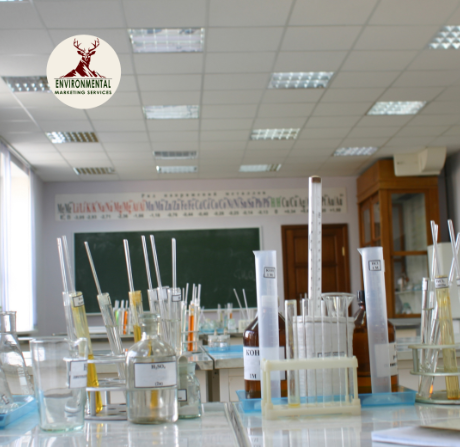
In a laboratory, that might look like old acids or solvents stored in small bottles. In medical offices, it could include expired disinfectants or leftover pharmaceuticals. Factories often deal with oily rags, spent degreasers, or oxidizers. Each of these items could fall into one or more risk categories:
• Toxic: Materials that can cause physical harm after exposure.
• Flammable: Liquids or solids that can catch fire during storage or transport.
• Reactive: Chemicals that may explode or release gases when mixed or shaken.
Each of these risks must be considered when building the right disposal plan. This is where proper identification and labeling matter most. Without those steps, waste handlers and the public could be at risk.
Why Proper Disposal Matters
When hazardous waste is not handled correctly, the consequences can be serious. A poorly labeled bottle or leaking container can lead to accidental exposure, spills, or fires. These situations risk worker safety and can lead to fines, facility closures, or other legal problems.
Safe disposal helps lower those risks. It allows us to keep our workplaces clean, our teams protected, and our operations reliable. Mistakes in this area can cost more than money; they can cause injuries or put entire communities at risk.
Government guidelines exist for a reason. Federal and state agencies have rules built to prevent careless waste handling. Following those rules, even when it takes extra time or steps, helps us stay in compliance and protect what matters. Proper Hazardous Waste Services give us the support needed to stay organized and avoid problems before they start.
Steps in the Hazardous Disposal Process
Handling hazardous waste is not about taking shortcuts. It is about knowing each step and doing it right every time. Here is a breakdown of the standard process we follow:
1. Identification. Every container or material is examined and labeled based on its chemical makeup.
2. Labeling. Each item is marked with its hazard type and handling instructions.
3. Storage. Until pickup, waste must be kept in secure, compatible containers away from staff and equipment.
4. Transport. Materials are moved by licensed haulers trained to manage hazardous loads.
5. Treatment. The waste is either recycled, neutralized, or disposed of in compliance with EPA and state rules.
Before a pickup, we can help make things faster by grouping similar materials, checking container seals, and gathering safety data sheets. That advance work saves time and lowers the risk of delays.
Allowing a professional to manage the larger process makes sure each part, from sorting to transport, is handled in a way that is both safe and legal.
Seasonal Considerations for Late Fall Waste Handling
In November, the weather gets colder in many parts of the country. That makes it a good time to think about how temperature drops, ice, or storm delays could affect waste handling. Some materials can become unstable in the cold, especially if they are kept near open-air docks or unheated spaces.
As the holiday season nears, many workplaces start to plan for shutdowns or inventory changes. That often means more waste than usual. Supplies get replaced, labs get cleaned out, and production schedules shift. It is smart to schedule disposal before those changes pick up speed.
Planning ahead helps avoid backups and makes it easier to get waste removed before transportation routes slow down in the winter. Facilities with outdoor drums or sheds should take extra care to check for signs of leakage, pests, or freezing risks before storage gets more difficult.
The effects of cold weather go beyond simple comfort concerns. Many chemicals are sensitive to low temperatures, which can lead them to change in unpredictable ways. Some may become thick or solid, making them tough to remove from containers. Others might develop pressure due to expansion in freezing conditions, creating a risk for leaks or bursts. By reviewing storage locations and identifying any weather-sensitive materials, facility managers can address potential problems before they escalate during the winter season.
Expert Waste Handling Across the Country
Environmental Marketing Services is based in Seneca, South Carolina, and offers hazardous, non-hazardous, and universal waste disposal services in 47 states. The company specializes in regulatory-compliant solutions for businesses of all sizes, including lab packing, chemical disposal, and recycling. Each pickup is handled by trained personnel using Department of Transportation (DOT) approved vehicles and containers, helping clients meet strict environmental requirements.
Many businesses benefit from professional waste services because they do not have the resources to manage hazardous materials on their own. Having experts available means employees are not exposed to unfamiliar materials, and companies have peace of mind knowing that their waste is moving through channels that protect the community and the business itself. Maintaining compliance also supports ongoing growth, as proper waste handling stays central to day-to-day routines and long-term goals.
Keeping Waste Disposal Safe and Simple
Hazardous disposal takes more than just good intentions. It requires a process. The materials we handle every day can be dangerous if we do not keep them organized, clearly labeled, and handled with the right tools.
Whether we are working in a lab, a plant, or a healthcare setting, the safest path is to treat hazardous materials with respect and attention. It is not just about following rules; it is about looking after our people, our surroundings, and our future.
By taking disposal seriously and working with those trained to handle each stage, we help keep problems at bay and focus our time where it matters most. Safe disposal is not just smart; it keeps our operations moving and our teams protected all year long.
Staying organized and keeping waste under control are top priorities for any lab, factory, or medical setting working with chemicals. Expired or mismanaged materials can cause real problems for your staff, property, and daily operations. Our process for safe handling follows clear steps and meets all regulations to help protect people and the environment. To see how we support businesses with all types of hazardous waste services, contact Environmental Marketing Services today.