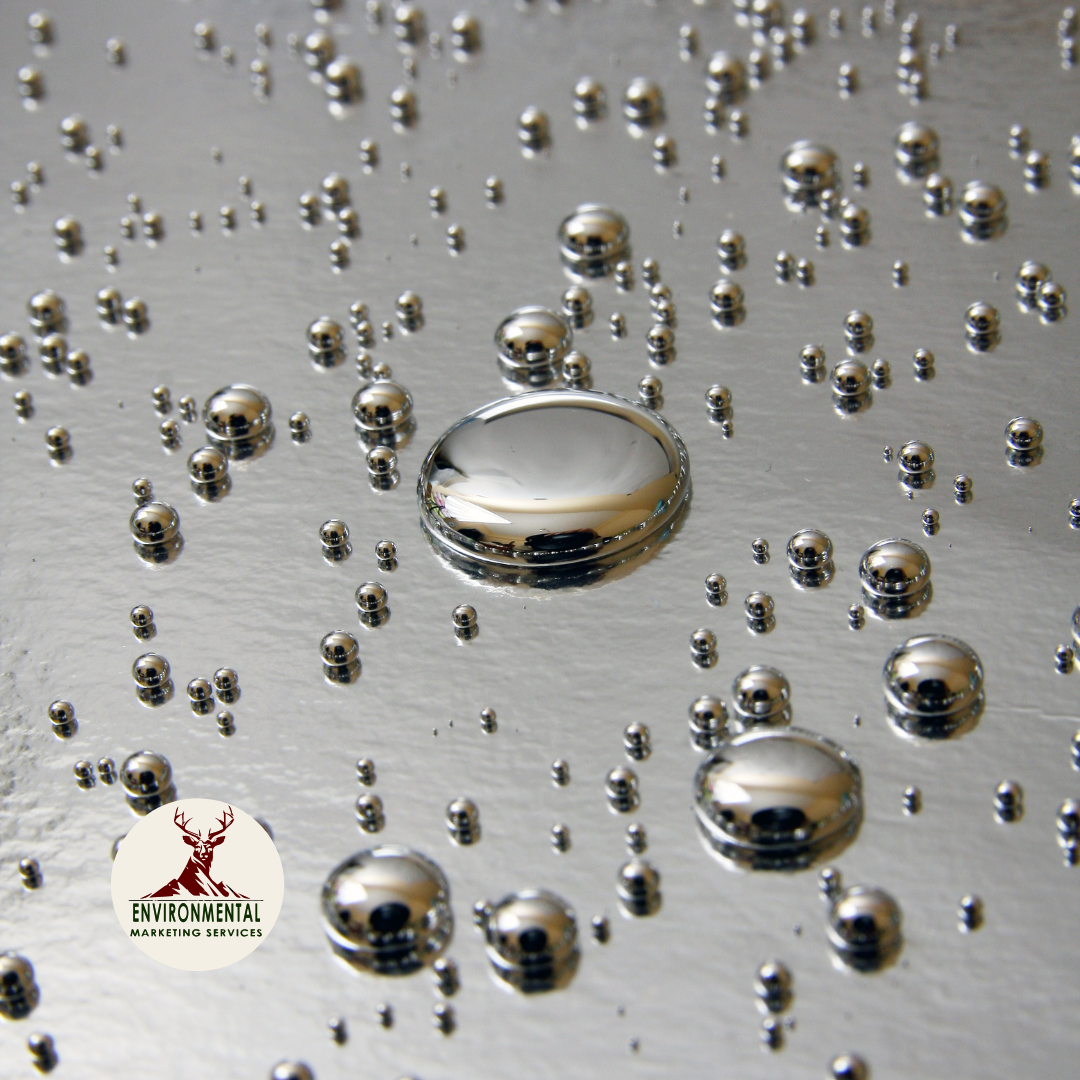
A lab cleanout can become a safety and compliance concern when aging, surplus, or unknown chemicals build up. We help organizations plan lab pack waste disposal so materials can be handled with care before damaged containers, poor records, or incompatible chemicals create bigger problems.
Whether you manage a school lab, healthcare facility, manufacturing site, research space, or another workplace, a clear process matters. Below, we explain how inventory, classification, packaging, paperwork, and early scheduling all support a safer cleanout.
Prevent Costly Exposure During Lab Cleanouts
Stored chemicals do not become easier to manage with time. During cleanouts, we often see faded labels, incomplete records, corroded containers, and materials that no longer have a clear purpose onsite. Leaving them in place can increase storage risks and make future disposal harder to coordinate.
Common reasons to begin a lab cleanout include:
- Facility moves, renovations, or lab closures
- Expired chemicals and discontinued products
- Audit findings or storage concerns
- Year-end inventory reviews and budget planning
- Changes in laboratory processes or staff
A lab pack is designed to help safely consolidate many small containers of compatible chemicals for transportation and disposal. It is not as simple as placing bottles into a drum. Each item needs to be reviewed, separated from incompatible materials, packaged correctly, labeled, documented, and sent to an appropriate disposal facility.
Planning before materials are moved helps protect employees and supports orderly waste handling. It also gives us time to review the inventory, identify special materials, and prepare for transportation requirements.
Build a Complete Lab Pack Inventory
An accurate inventory is the starting point for efficient lab pack waste disposal. When we know what is onsite before a packing team arrives, we can better plan for incompatible chemicals, damaged containers, and materials that need separate handling.
For each container, gather as much information as possible, including:
- Chemical name and manufacturer
- Container size, approximate volume, and concentration
- Physical state, such as liquid, solid, gas, or aerosol
- Hazard information and storage location
- Container condition, including leaks, corrosion, or damaged labels
Safety Data Sheets, purchase records, laboratory logs, and original labels can all help fill in missing details. Even partial information can be useful when it is documented clearly.
Unknown containers need special attention. We never recommend guessing what a chemical is or mixing unknown materials together. Instead, keep unknowns separated, mark them clearly, and have qualified waste professionals evaluate them. Some unknowns may need characterization or testing before final disposal arrangements can be made.
A complete inventory should also flag materials that may follow a different waste path. Compressed gas cylinders, mercury-containing equipment, batteries, lamps, aerosols, sharps, biological materials, and electronic waste may require specialized handling or universal waste management.
Classify Chemicals Before Packing Begins
Before any waste is packed, moved, or shipped, its waste status should be determined. We help clients understand whether materials may be hazardous, non-hazardous, universal waste, or subject to added state or facility requirements.
Chemical classification can depend on several factors, such as ignitability, corrosivity, reactivity, toxicity, chemical composition, concentration, and listed hazardous waste codes. An original product label is helpful, but it may not tell the full story after a material has been used, mixed, diluted, or stored past its intended date.
Compatibility is just as important as classification. Acids, bases, oxidizers, solvents, water-reactive chemicals, cyanides, sulfides, and reactive metals can create serious hazards if they are packed together improperly. Containers should remain closed, and trained personnel should make decisions about compatibility or consolidation.
Federal requirements are only part of the picture. State rules, generator category requirements, storage time limits, and your own facility policies can affect how materials must be managed. Early waste profiling and documentation help reduce last-minute surprises.
Meet Packaging, Labeling, and Transport Requirements
Safe packaging protects your staff, transportation teams, and the public. Once inventory and classification decisions are complete, qualified packers can prepare materials for shipment using containers and methods that match the waste involved.
Inner containers should be compatible with their contents, properly closed, and checked for leaks or damage. Compatible materials may be placed into approved outer containers with absorbent material, cushioning, and separation as needed. Bulging, corroded, leaking, or otherwise compromised containers should be isolated until they can be evaluated.
Saving space is never a reason to pack incompatible chemicals together. Poor segregation can lead to heat, pressure buildup, fire, toxic gas release, or other dangerous reactions during storage or transport.
Shipping paperwork may include hazardous waste labels, accumulation dates, hazard communication details, Department of Transportation descriptions, shipping papers, waste profiles, land disposal restriction notices, and hazardous waste manifests. As the generator, you retain important responsibilities, so complete records and qualified partners matter throughout the process.
Schedule Disposal Before Year-End Closures
Fall is a practical time to review laboratory inventory and prepare for year-end cleanouts. Starting early gives your team time to locate records, resolve unknown chemicals, obtain internal approvals, and arrange access to labs, storage areas, and loading zones.
Holiday schedules, winter weather, and reduced operating hours can affect transportation and disposal timing. A missed pickup window or incomplete profile can leave materials onsite longer than planned, especially when several departments need to approve the project.
We recommend adding lab pack waste disposal to your broader environmental compliance calendar. Regular cleanouts can reduce crowded storage areas, support emergency preparedness, and make future inventories easier. For organizations with several locations, a consistent process for inventories, approvals, pickup requests, and record retention can keep everyone on the same page.
Start Your Safe Lab Cleanout Plan
A safe lab cleanout begins with knowing what you have, identifying immediate concerns, and keeping questionable materials separate. Do not move, combine, or attempt to identify unknown chemicals without qualified guidance.
Gather available inventory details, note damaged or unlabeled containers, and plan ahead for materials that need special handling. Careful preparation helps create a cleaner workspace, a more organized waste program, and a safer path from storage to final disposal.
Get Reliable Support for Complex Waste Streams
Environmental Marketing Services helps organizations manage challenging materials with clear, compliant solutions. Our lab pack waste disposal services can help streamline identification, packaging, transportation, and disposal requirements. For guidance tailored to your facility’s needs, contact us to discuss your waste management options.