Proper lab waste disposal is more than just a routine chore. It plays a major role in maintaining health and protecting the environment. In a state like Connecticut, where laboratory research and testing happen across many sectors, clear and safe handling of lab waste makes a big difference. When waste is managed the right way, it protects communities, keeps environments clean, and helps reduce risks for current and future generations. But when it’s done poorly, it can have dangerous effects on both people and nature.
Aside from safety, proper waste disposal impacts broader environmental goals. It helps preserve natural resources, prevents pollution, and supports long-term sustainability efforts. Labs that take waste seriously are also seen as responsible contributors to their communities. Let’s walk through the types of lab waste, the dangers of poor disposal, and steps to do it right with help from professionals.
Types of Lab Waste in Connecticut
Labs in Connecticut produce a range of waste materials. Each type comes with its own risks and regulations and needs to be handled using specific disposal methods. The most common types are chemical waste, biological waste, and electronic waste.
1. Chemical Waste
This type of waste includes acids, bases, solvents, and other lab chemicals that might be toxic, reactive, or corrosive. Because of the potential risks, chemical waste needs to be stored in leak-proof containers, clearly labeled, and kept in safe areas away from people or other chemicals. Some chemicals might need special disposal procedures depending on how reactive they are. Using protective gear and approved containers helps reduce accidents while storing and moving these materials.
2. Biological Waste
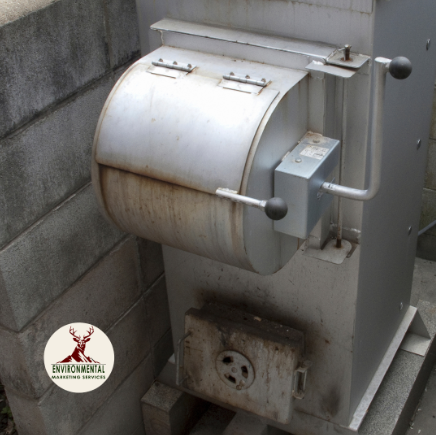
Biological waste includes items that may contain or have been exposed to living organisms. This category covers used petri dishes, animal tissues, lab equipment that contacted microbes, and other biological samples. To prevent the spread of disease, this waste is often steamed in autoclaves or incinerated at high temperatures. These methods help destroy harmful agents before the waste is discarded. Labs should have strict protocols in place so waste is handled consistently and safely.
3. Electronic Waste
Outdated lab equipment such as computers, microscopes, and monitors fall into this category. Many of these devices contain lead, mercury, and other materials that could leak into the environment if dumped in landfills. Devices that are no longer used can be repurposed or recycled through certified recycling centers. Disposing of electronic waste the right way preserves valuable materials and keeps toxins out of land and water.
Understanding and correctly managing these different waste types keeps labs in line with Connecticut’s environmental standards while reducing harm to surrounding communities and ecosystems.
The Environmental and Health Impacts of Improper Disposal
When labs don’t dispose of waste properly, the consequences reach beyond the lab doors. Improper disposal of chemicals and biological materials can contaminate soil and water. This may harm wildlife, poison drinking supplies, and destroy sensitive ecosystems. Some contaminants are difficult or impossible to remove once they seep into natural areas.
Health is another big concern. Lab workers are on the front lines and can be exposed to harmful agents if waste isn’t separated or stored correctly. Breathing in chemical fumes or coming into contact with infected materials can lead to serious health problems. Mistakes in waste disposal don’t just stay in the lab. Neighbors, sanitation workers, and the general public may feel the effects too, especially if waste ends up in open areas or bodies of water.
Preventing these effects starts with understanding that lab waste has lasting impacts. Safe handling and disposal not only protects everyone working with the waste, but also safeguards the wider community.
Steps for Effective Lab Waste Disposal
Good waste management starts with clear and consistent procedures. From labeling to disposal, each step should aim to reduce risks and stay compliant with local and federal regulations.
1. Sort and Label Waste
Wastes should be separated by type at the source. Have dedicated containers for chemical, biological, and electronic waste. Everything should be clearly labeled so handlers know what is inside. This makes it easier to follow specific disposal guidelines for each type and avoids mixing substances that could react.
2. Safe Storage Methods
Chemicals should be kept in sealed containers made from materials that won’t react with their contents. Use lockable cabinets for flammable or corrosive substances. Biological waste might need refrigeration or sealed storage until it is treated. Proper storage keeps dangerous materials contained and reduces the chance of exposure or spills.
3. Safe Transportation
When transporting waste to a disposal site or treatment facility, it must be packaged to prevent leaks or breakage. Use stronger containers for sharp objects or heavy electronics. Label all containers clearly so transport staff know the risks. The goal is to make the journey from lab to disposal site as safe and controlled as possible.
4. Use Hazardous Waste Services
By working with professionals who handle hazardous waste, labs can be confident that all materials are being disposed of properly. These specialists have the knowledge, tools, and permits to handle lab waste in a way that’s both safe and legal. They stay up to date with waste laws and follow systems that reduce risk to people and the planet.
Benefits of Using Professional Hazardous Waste Services
Professional hazardous waste services offer peace of mind. Their teams are trained to handle, store, and remove waste safely at every step. They understand complex waste rules and can help your lab follow them without gaps or errors.
These services also save time. Instead of lab staff trying to manage waste on top of their regular jobs, pros take care of it using tested systems. This reduces the risk of mistakes or accidents and helps your lab move more efficiently.
There’s also a cost advantage. Labs working with certified hazardous waste services often avoid fines that come from regulatory violations. Since these experts reuse or recycle where possible, they may also reduce how much total waste needs to be sent to landfills.
Lastly, many of these companies are certified to follow eco-friendly processes. By working with them, labs show they’re committed to greener practices and public safety, which reflects well on their reputation.
How Environmental Marketing Services Can Help Your Connecticut Lab
At the end of the day, lab managers need a partner they can count on when it comes to waste. Environmental Marketing Services offers customized hazardous waste services to support labs throughout Connecticut. From helping you sort and store waste correctly to offering safe pickup and disposal, our services are built with your safety and compliance in mind. We work to keep your facility clean, your operations smooth, and your community safe.
When labs choose to work with experienced professionals, they avoid common mistakes and contribute to making Connecticut a cleaner and safer place to live and work. If your facility is ready to upgrade its waste disposal process, our team is ready to support you.
Proper lab waste management plays a big role in keeping people safe and protecting the environment around us. Partnering with experts who specialize in hazardous waste services gives your Connecticut lab peace of mind that everything is being handled the right way. Environmental Marketing Services is here to support your team with reliable solutions tailored to your goals.