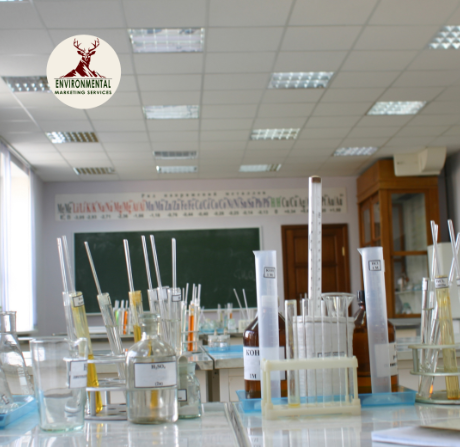
Lab waste is part of daily routines in places like research centers, school labs, and medical facilities. Every day, these sites generate leftover chemicals, broken materials, and used tools that need to be managed. Lab Waste Disposal New Hampshire means more than just taking out the trash. It is about keeping the work environment safe and stopping minor issues from becoming big problems.
As fall arrives with colder mornings and less predictable weather, it becomes the best time to check how waste is stored, labeled, and handled. In New Hampshire, sudden freezes and early snow can surprise even prepared teams, so planning ahead makes a difference. Taking care of storage setups and arranging professional disposal before winter helps labs avoid surprises once freezing weather sets in.
What Counts as Lab Waste
Lab waste often comes in many shapes and forms. It is much more than just old bottles or leftover liquids. In research, teaching, and medical labs across New Hampshire, you might see a mix of materials. Some are simple to manage, but others can cause problems if left alone.
There are two main groups to sort waste into:
– Hazardous lab waste includes expired chemicals, solvents, reactive materials, acids, or anything flammable.
– Non-hazardous waste includes broken glassware, paper towels from cleaning, packaging, or containers that are not a health risk on their own.
Common lab waste examples:
– Used chemicals and solvents
– Cleaning agents and disinfectants
– Expired biological samples or reagents
– Broken test tubes, beakers, or pipettes
Some everyday items, like markers or small parts from equipment, can turn hazardous after long-term use or exposure. Sorting waste correctly is the first step, especially during busy school or research seasons when supplies and samples can pile up quickly.
Knowing what counts as hazardous means labs can store those materials in safer areas, use proper containers, and call for pickup on time. It is also easier to fill out paperwork when everything is separated by type.
Safe Storage Practices Before Pickup
In New Hampshire, fall brings temperature swings, more rain, and sometimes sudden frosts. Poor storage during these transitions can make waste unstable. Containers left by windows, outside, or in uninsulated sheds can split, leak, or even react if frozen. Smart waste management in the autumn helps keep staff safe and disposal on schedule.
Best practices include:
– Store chemicals and hazards in tightly sealed, chemical-resistant containers. Replace damaged or leaking containers right away.
– Always label with the waste type, creation or storage date, and responsible staff name. Use permanent writing.
– Keep all lab waste in secure, well-ventilated rooms. Do not store near vents, radiators, or places that drop below freezing.
– Never mix types of lab waste in a single container unless there is documentation and approval from a qualified professional.
Labeling is especially important before winter starts. Illegible writing or missing dates have caused issues during pickups. Clear records and labels make it easier for both lab staff and waste professionals to track each item.
Environmental Marketing Services provides certified waste containers and pickup schedules to help labs comply with state and federal rules. They can supply detailed inventory tracking to reduce confusion between hazardous and non-hazardous items.
How Lab Waste Is Collected and Treated
Disposal starts when waste is sorted and marked for pickup. In New Hampshire, lab waste is usually collected based on regular schedules set around lab needs, with flexibility for special requests or seasonal changes. Professional crews carry out collections after confirming labels, container conditions, and logs are correct.
Each pickup comes with documentation listing what is collected, when, and by whom. This is important in case there are ever questions from state agencies or during an audit.
Treatment of lab waste is chosen based on the risk and type of material. Common methods include:
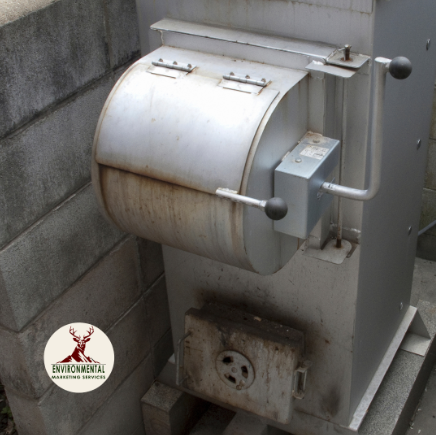
– Incineration for flammable, infectious, or unstable substances. This destroys harmful materials and is used for many chemical wastes.
– Chemical neutralization for acids, bases, and some solvents. This reduces danger before the waste enters a landfill.
– Recycling for certain lab plastics, metals, and glass if they are not contaminated with hazardous chemicals.
In autumn, changing weather affects collection schedules. Cold mornings, rain, or snow can delay routes or limit access to outdoor areas. Labs can keep things on track by planning fall pickups and making sure collection routes are clear.
Environmental Marketing Services offers tracking and documentation throughout the waste process, giving New Hampshire labs an organized and traceable way to meet state rules from start to finish.
Following State and Federal Rules
Lab Waste Disposal New Hampshire follows clear guidelines from the Environmental Protection Agency and the New Hampshire Department of Environmental Services. These rules spell out how to store, label, and dispose of every type of hazardous material found in labs.
Each class of waste has a time limit. Hazardous materials must be stored only for a set number of days or weeks before professional pickup. Labs need to fill out paperwork with dates, descriptions, and signatures for every step. Hazmat labeling and tracking help keep shipments safe from storage to final treatment.
Strict record-keeping is not just for large labs. Even small teaching or research spaces must keep logs, track when waste is generated, and stay prepared for random checks. Failing to follow the rules can lead to delays or increased risks.
Regular review of documentation and container status helps prevent simple mistakes, especially when staff or procedures change during seasonal shifts.
Planning Ahead for Winter Conditions
By late October, New Hampshire labs are already thinking about winter. Fall provides a small window for cleaning up, shifting schedules, and preparing for snow or holidays when regular pickups might be missed. It is much easier to review and schedule collections now rather than waiting for snow or staff shortages in the coming months.
Winter waste planning can include extra insulation or relocating containers indoors. Outdoor storage or loading zones should be checked for accessibility. Walkways or ramps might need clearing so waste can be moved quickly and safely. Labs that take time to update waste logs and reorder supplies before snow arrives have fewer headaches all season long.
Looking back at last year’s reports or missed pickups can reveal recurring problems. Were certain supplies harder to store? Did snow keep staff from getting to the storage rooms? Tackling these questions in the fall means less stress all winter.
Why Good Habits Keep Labs Safer
Labs in New Hampshire stay safer when staff know how to identify waste, store it the right way, and stick to schedules for collection. Details like strict labeling, sturdy containers, and prepping for changes in the weather prevent small concerns from becoming bigger issues.
Smart planning each fall not only meets state and federal guidelines but also helps labs run smoothly through winter. Knowing where each item is, how old it is, and when the next pickup will happen means better protection for everyone who works in or around the lab. Winter can be unpredictable in New Hampshire, but waste issues do not need to be part of the challenge.
At Environmental Marketing Services, we help labs maintain safe waste practices year-round, especially when changing seasons can affect storage and pickup needs. Planning ahead in fall makes it easier to stay on track before winter slows things down. Whether you’re managing chemicals, sharps, or old samples, working with someone who knows the process keeps your team focused and your space safer. See how we support labs through our hazardous waste services. Ready to review your setup or make improvements? Let’s make a plan together.