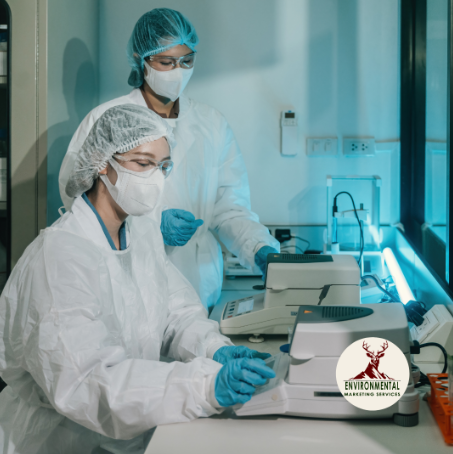
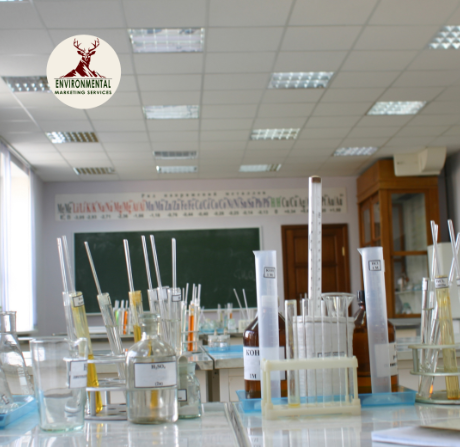
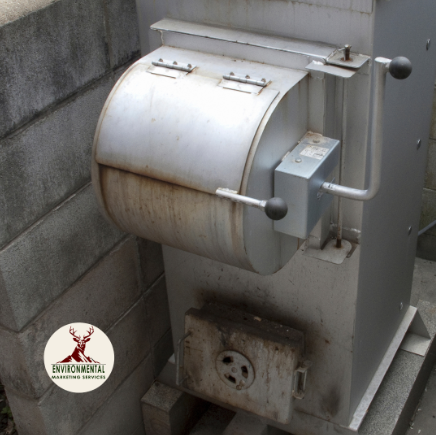
Proper lab waste disposal is a key aspect of ensuring safety and compliance in any laboratory setting. It involves managing materials and substances that could harm people or the environment if not handled correctly. The process begins with identifying the types of waste generated and understanding its potential risks. Labs in Pennsylvania, known for their diverse research activities, often encounter challenges in managing waste effectively, given the regulations and safety concerns involved.
Handling lab waste correctly not only provides a safer work environment but also upholds the ethical standards expected in the scientific community. Researchers, technicians, and facility managers must work together to ensure that waste is managed from creation to disposal. Being informed about different types of lab waste and the best practices for disposal can make this complex task more manageable.
Understanding Different Types of Lab Waste
Recognizing the various types of lab waste is the first step in proper waste management. Here’s a closer look at the main categories:
– Hazardous Chemical Waste: Includes chemicals that are toxic, flammable, or corrosive. Such waste needs careful handling to prevent spills or reactions.
– Biological Waste: Comprises any biological material, like cultures or samples, that may contain pathogens. Sterilization and proper disposal are key to maintaining a safe lab environment.
– Radioactive Waste: Generated from experiments involving radioactive materials. It requires special containment to prevent exposure to hazardous radiation.
– General Laboratory Waste: Covers non-hazardous materials like paper, plastics, and untainted glassware, which can often be recycled.
Each of these waste types demands specific disposal methods and precautions. For instance, biological waste might need autoclaving prior to disposal, while chemical waste often requires neutralization or treatment before being safely discarded.
Regulations and Guidelines for Lab Waste Disposal in Pennsylvania
Navigating the regulations for lab waste disposal is an important part of ensuring compliance with state laws. Pennsylvania labs must adhere not only to federal guidelines but also to state-specific requirements.
Federal Guidelines
The Environmental Protection Agency (EPA) provides standards for handling hazardous waste. Compliance ensures that labs manage waste without endangering human health or the environment. These regulations cover storage, labeling, transportation, and disposal, with a strong focus on reducing environmental impact.
State-specific Policies
Pennsylvania’s Department of Environmental Protection outlines additional rules, including specific labeling requirements and transport regulations for different types of waste. Labs must also report certain waste activities to maintain compliance. State policies may differ slightly from federal ones, so it is important to be familiar with both sets of rules to avoid penalties.
Understanding these guidelines helps labs establish effective waste management protocols. It guarantees that labs remain compliant, avoid citations, and actively demonstrate a commitment to environmental responsibility.
Effective Strategies for Lab Waste Disposal
To handle lab waste efficiently, several strategies are necessary. A primary one is the careful segregation of waste. By separating waste into specific categories like hazardous chemical waste, biological materials, and regular trash, labs prevent accidental mixing of materials. This separation is key to ensuring that each type of waste receives the correct treatment and disposal.
Another important strategy is proper labeling and storage. Every container used for waste should be clearly marked with labels indicating the type of waste it holds. This practice reduces the risk of confusion and mishandling. Proper storage also involves keeping waste in suitable conditions to prevent chemical reactions or biological growth, such as using refrigeration for some biological materials.
Implementing these strategies requires coordinated efforts across the lab:
1. Segregation of Waste
– Assign specific containers for different waste types
– Regularly educate staff on waste categories
– Use color-coded bins to simplify sorting tasks
2. Proper Labeling and Storage
– Clearly label each container with contents and date
– Store materials in appropriate, secure locations
– Regularly inspect storage areas for leaks or other issues
3. Techniques for Disposal
– Make sure hazardous waste undergoes neutralization or treatment
– Autoclave or sterilize biological waste before disposal
– Follow all guidelines for transporting waste to disposal facilities
By putting these strategies into practice, laboratories can build safer environments and stay aligned with local and federal regulations.
Role of Professional Services in Lab Waste Management
Professional services play a valuable role in helping labs manage waste effectively. These services are especially helpful when it comes to meeting the requirements of complex and changing regulations. Trained specialists can evaluate a lab’s needs and develop a plan for safe waste handling.
Hiring experienced professionals supports compliance and streamlines operations. These service providers often offer routine waste collection, on-site training, and detailed waste tracking reports. With experts handling proper storage, labeling, and transport, lab staff can focus more on their research without worrying about disposal logistics.
Here are some key advantages:
Benefits of Hiring Professional Services
– Access to trained personnel who understand both federal and state guidelines
– Specialized equipment for safe collection, handling, and transport
– Reduced risk of violations and fines through expert oversight
– Comprehensive documentation of waste handling practices
Choosing the Right Service Provider
– Verify certifications for handling specific waste types
– Consider availability for both scheduled and emergency pickups
– Review their training programs and support options for lab teams
– Ask about experience in working with similar research environments
A reliable service provider can become a long-term partner in supporting strict safety measures and lowering overall waste management risks.
Efficient Lab Waste Disposal for a Safer Pennsylvania
By combining smart disposal strategies with professional guidance, labs in Pennsylvania can support safer workplaces and healthier communities. Responsible waste management shows respect for employees, the public, and the environment.
Lab operations that follow current regulations not only avoid penalties but also earn trust from the community. In Pennsylvania, where research contributes to local development and education, labs carry a deep responsibility. Their waste practices reflect on the integrity and safety of their work.
When labs choose the right solutions and partners for waste handling, they stay on track with legal expectations and scientific ethics. That commitment makes a difference now and in the long term.
By ensuring your lab’s waste disposal methods align with regulations and safety standards, you contribute to a healthier environment and community. To enhance your lab’s waste management solutions, consider exploring the hazardous waste services provided by Environmental Marketing Services. Our expertise in handling various waste types ensures compliance and safety. Let us support your lab’s commitment to both scientific excellence and community responsibility.