Keep Laboratory Teams Safe From Chemical Waste Risks
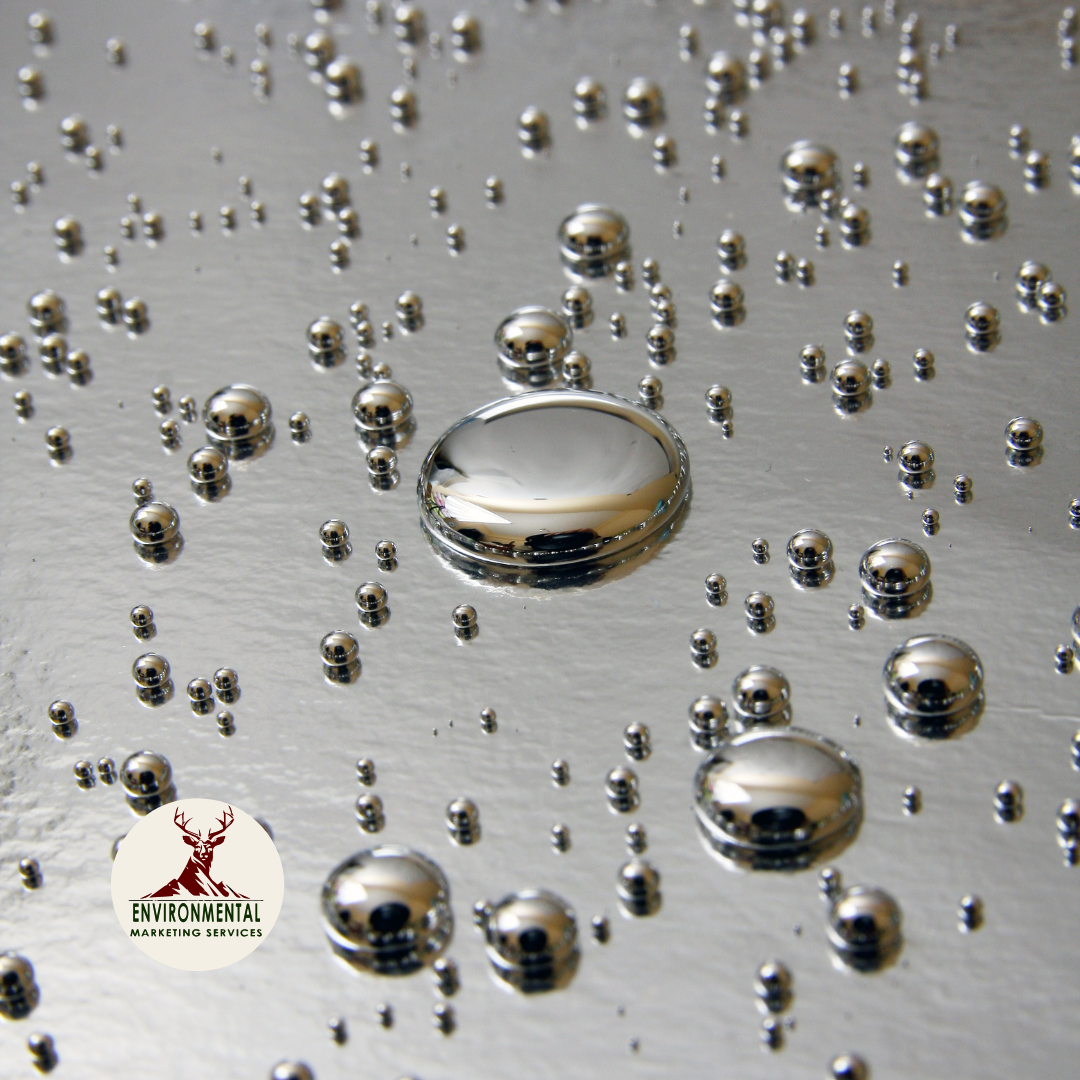
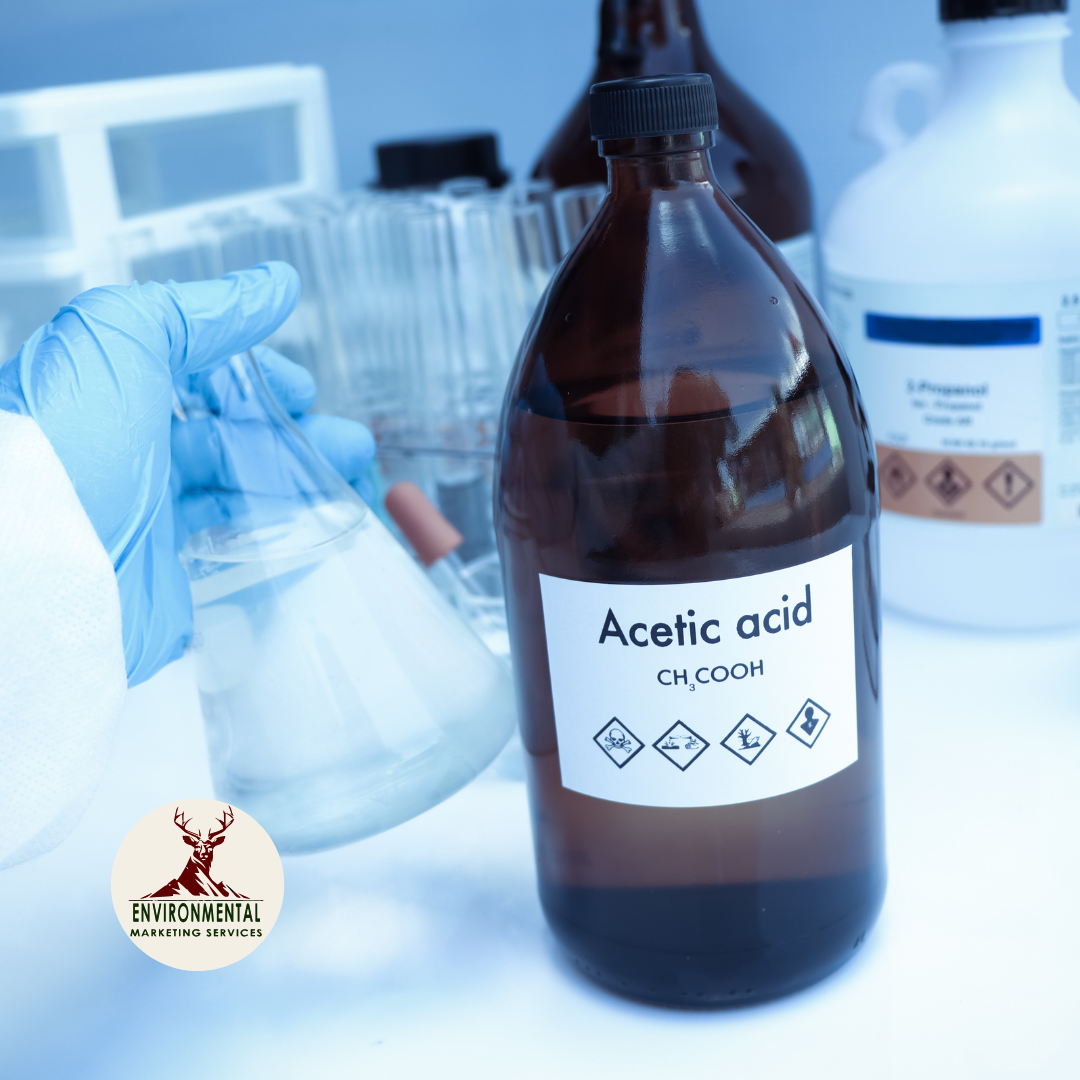
Laboratory chemical disposal is a safety, compliance, and day-to-day operations priority. Expired reagents, solvents, acids, bases, aerosols, batteries, mercury-containing devices, and contaminated supplies can create serious problems when they sit too long or are handled the wrong way. Employees may face burns, breathing hazards, fires, leaks, and other exposures, while a release can affect the surrounding environment.
Risks often grow quietly. Containers accumulate in storage areas, labels fade, staff members change, and older materials get pushed to the back of a cabinet. A documented process helps you manage each step, from identifying and separating waste to packaging it, arranging pickup, transporting it, and confirming final disposal.
Build a Laboratory Chemical Disposal Inventory
A current inventory gives your team a clearer picture of what is on site and what needs attention. Before waste is moved, we recommend reviewing laboratories, stockrooms, and storage areas for chemicals that are expired, no longer needed, damaged, or difficult to identify.
Your inventory should include enough information to help your waste provider understand what each container holds and how it should be managed. Useful details include:
- Full chemical name and concentration
- Approximate quantity and container size
- Container condition, including leaks, corrosion, or damaged caps
- Storage location and accumulation date
- Known hazards, such as flammability, corrosivity, reactivity, or toxicity
Unknown chemicals deserve special care. You should never guess what a material is, pour it into another container, or mix it with other waste. Missing labels, handwritten abbreviations, and unclear descriptions can make safe handling much harder. In these cases, professional characterization may be needed before the material can be packaged and shipped.
Common laboratory waste categories include flammable solvents, corrosive acids and bases, oxidizers, reactive compounds, toxic materials, compressed gas cylinders, contaminated lab supplies, and universal waste such as batteries and lamps. Keeping these categories clear from the start helps prevent mistakes later.
Segregate, Package, and Label Chemicals Safely
Chemical compatibility matters. Materials that are safe on their own may react dangerously when stored or packaged together. We recommend keeping acids away from bases, oxidizers away from fuels and solvents, and water-reactive materials away from moisture. Containers should also be separated from materials that could create pressure, heat, fumes, or a fire if combined.
Waste needs compatible, closed, leak-free containers that are in good condition. Avoid overfilling containers, and inspect them regularly for cracks, corrosion, swelling, loose caps, or residue on the outside. A container that looks questionable should be addressed before it becomes a spill concern.
Clear labels protect everyone who may handle the container. For laboratory chemical disposal, labels should identify the actual material and provide the hazard and accumulation information required by your facility’s waste program and applicable rules. Avoid vague labels such as “waste,” chemical formulas by themselves, or abbreviations that a new employee may not understand.
A good label helps answer simple but important questions: What is in this container? What hazards does it present? When did accumulation begin? Can it be stored near the materials around it? Clear answers reduce confusion during inspections, cleanouts, and pickup preparation.
Prepare Waste for Compliant Transportation
Moving laboratory waste off site takes more preparation than placing containers in a staging area. Depending on the material, transportation may require approved packaging, correct markings, shipping documents, and personnel with the right training. Waste must be prepared in a way that protects handlers, drivers, and the public during transport.
Early coordination helps prevent last-minute issues. When we review a waste stream with you, we can help identify the materials involved, determine transportation needs, plan pickup timing, and support disposal planning. This is especially helpful when you have unknowns, aging containers, mixed storage areas, or waste that has built up over time.
Records are another important part of the process. Keep documents organized so you can show how materials were managed from your site through final disposal. Depending on the waste stream, these records may include:
- Waste profiles and characterization details
- Shipping papers or manifests when applicable
- Pickup records and container counts
- Certificates and final disposal documentation
Good recordkeeping supports internal reviews and helps your team maintain consistent laboratory chemical disposal practices even when staff responsibilities change.
Plan Fall Cleanouts and Year-End Waste Reviews
Autumn is a practical time to review laboratory chemicals before year-end inventory work, holiday staffing changes, or slower operating schedules. A planned cleanout can help your team remove expired materials, free up storage space, and find issues before they become harder to manage.
Start with a walk-through of every area where chemicals may be stored. That includes laboratories, stockrooms, maintenance rooms, satellite storage spaces, and places where universal waste may have been set aside. Look for aging containers, unlabeled bottles, excess inventory, damaged packaging, and materials that are no longer part of current work.
This review can also reveal ways to prevent future waste. Ordering smaller quantities, rotating inventory, sharing usable materials internally when appropriate, and training staff on accumulation procedures can reduce the chance that chemicals become forgotten waste. A routine review keeps disposal needs visible instead of allowing them to build up unnoticed.
Turn Your Chemical Waste Plan Into Safer Operations
A strong laboratory chemical disposal program protects employees, supports compliance efforts, and helps prevent releases that can affect your facility and community. The safest approach is to address unknown, expired, damaged, or excess materials before they turn into larger storage and handling concerns.
Regular inventories, clear labels, proper segregation, secure packaging, and complete records give your team a safer path forward. When waste management is treated as an ongoing process rather than a once-a-year task, your laboratory is better prepared for cleanouts, staff changes, and everyday operations.
Protect Your Lab With Expert Support
Environmental Marketing Services provides dependable laboratory chemical disposal solutions tailored to your facility’s waste streams and safety requirements. Our team can help you coordinate compliant handling, transportation, and documentation for chemicals that need professional attention. To discuss your disposal needs, contact us today.