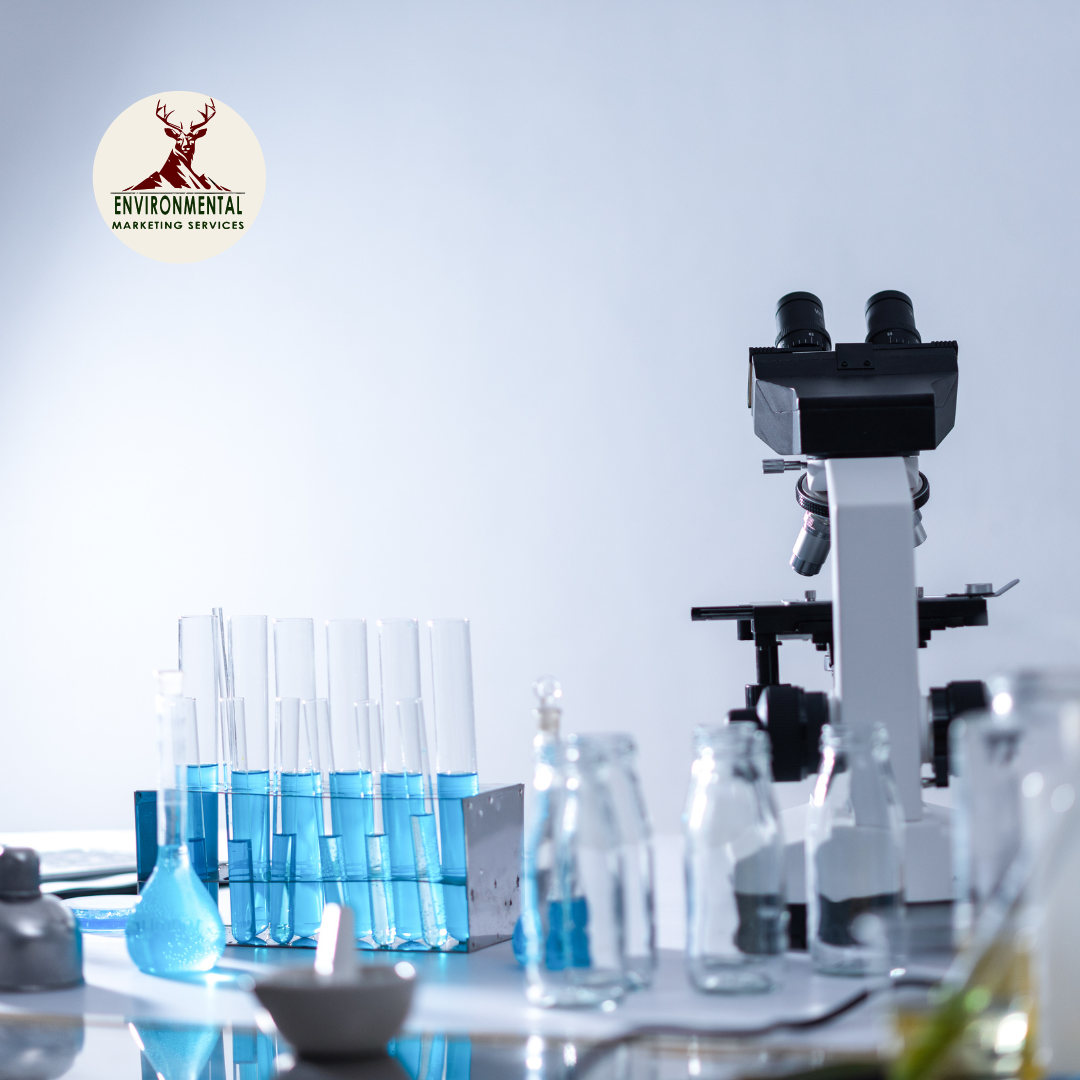
Building a Safer Lab Through Smart Waste Practices
Proper laboratory waste disposal is one of the most important parts of keeping people safe in a research environment. Chemical spills, sharps injuries, and mishandled biological materials can put staff, visitors, and surrounding communities at risk in minutes if waste is not managed carefully. At the same time, regulators expect laboratories to handle waste correctly from the moment it is generated through final disposal, and penalties for getting it wrong can be significant.
We see laboratory waste management as an everyday operational practice, not an afterthought. Whether you work in an academic teaching lab, a hospital or clinic, an industrial quality control lab, a research and development facility, or a government laboratory, the basic principles are the same. From our base in Seneca, South Carolina, we support labs across the country with compliant transportation, disposal, and recycling solutions so they can keep their attention on research while still protecting people and the environment.
Understanding Laboratory Waste Streams and Risk Levels
Every lab produces a mix of waste streams, each with its own risks and handling requirements. The first step in safe laboratory waste management is recognizing what you have and how dangerous it is.
Most labs work with some or all of these categories:
- Hazardous chemical waste, such as solvents, strong acids and bases, certain metals, and toxic compounds
- Non-hazardous chemical waste, which is still lab-generated but does not meet hazardous criteria
- Biological or infectious waste, including cultures, contaminated materials, and pathological waste
- Sharps, such as needles, scalpels, broken glass, and pipette tips that can puncture skin
- Universal waste, including fluorescent lamps, certain batteries, and electronics that are regulated for recycling
- General trash, which is not contaminated and can go to regular solid waste streams
Misclassifying any of these wastes can cause real problems. Throwing hazardous chemical waste into the regular trash can expose custodial staff to dangerous chemicals and send pollutants to landfills not designed to handle them. Treating infectious materials as regular trash can increase the risk of exposure to pathogens. On the flip side, over-classifying everything as hazardous can drive up disposal costs and strain budgets.
Hazardous chemical waste is typically identified based on characteristics such as being ignitable, corrosive, reactive, or toxic. Correctly recognizing these traits, and understanding which materials are regulated hazardous waste, is the foundation of responsible laboratory waste management. When labs get classification right, every other step in the process becomes safer and more efficient.
Setting up a Compliant Waste Management System
A strong program starts with a clear picture of how waste moves through your lab. Mapping waste flows means looking at the full path: where waste is generated, where it is collected in the work area, how it is moved to temporary storage, and how it finally leaves the site for treatment, recycling, or disposal.
Container selection and labeling are everyday details that carry a lot of weight. Good practices include:
- Choosing compatible containers that will not react with the waste
- Keeping containers closed except when adding waste
- Clearly labeling containers with contents and hazards
- Marking accumulation start dates where required
- Segregating waste by type, such as keeping acids away from solvents or sharps away from soft biohazardous waste
Written standard operating procedures, or SOPs, tie the system together. These do not have to be complicated. Simple, clear instructions that explain what goes into each container, how full a container can get, where it is stored, and who to notify for pickup are often enough. Posting signage right at the point of generation, such as on fume hoods or near biosafety cabinets, helps staff remember the rules at the exact moment they are discarding waste.
Daily Best Practices for Handling and Segregating Waste
Once the system is set up, day-to-day habits keep it working. For chemical waste, a few practical steps go a long way. Staff should avoid mixing incompatible chemicals, since reactions in waste containers can create heat, gas, or pressure. Secondary containment trays under liquid waste containers help catch leaks or spills. A well-stocked spill kit in each area where chemicals are used gives the team what they need to respond quickly if something goes wrong.
Biological and infectious waste require their own set of precautions. Red biohazard bags are typically used for contaminated soft materials, while rigid sharps containers are used for needles, blades, and other puncture hazards. Many laboratories treat certain biohazardous waste on-site, for example, by autoclaving before disposal. Secure temporary storage, with containers kept closed and labeled, helps prevent unauthorized access and accidental exposures.
Universal and electronic waste can be easy to overlook in a busy lab, but they are important parts of a complete program. Items like fluorescent lamps, certain batteries, and lab electronics can often be recycled through specialized programs. Setting up dedicated collection points for these materials keeps them out of regular trash and supports environmental goals by diverting valuable materials from disposal.
Compliance, Documentation, and Working with a Waste Partner
Laboratories operate under a mix of federal, state, and local requirements that govern how waste is stored, labeled, transported, and disposed. For hazardous chemical waste, Environmental Protection Agency rules outline how generators must manage their waste, including limits on storage time and volume. When waste is shipped off site, Department of Transportation rules apply to packaging, labeling, and documentation during transport. State and local agencies often add their own requirements for biological waste, sharps, and universal waste.
Documentation ties these regulatory pieces together and helps reduce liability. Key records often include:
- Waste profiles that describe the contents and hazards of each waste stream
- Manifests or shipping papers that track waste from the lab to the final disposal or recycling facility
- Training records that show staff are instructed in proper waste handling
- Inspection logs for storage areas, emergency equipment, and containers
Keeping these records organized supports compliance reviews and internal audits. For many laboratories, working with an experienced waste management partner simplifies these tasks. A qualified vendor can help classify waste streams, prepare required documentation, arrange transport to permitted facilities, and coordinate recycling for materials that can be recovered. For multi-site organizations, partnering with one provider across locations can also bring consistency and cost control.
Training, Culture, and Continuous Improvement in the Lab
Even the best-written program depends on people. Regular staff training keeps laboratory waste management expectations clear for new team members and provides refreshers for experienced staff who might have slipped into shortcuts. Training should cover waste identification, segregation rules, emergency procedures, and how to use personal protective equipment.
To support good habits throughout the year, many labs use simple tools such as:
- Checklists posted at waste accumulation areas
- Quick reference charts that match common wastes to the correct containers
- Short safety talks during staff meetings focused on recent issues or rule changes
- Internal walkthroughs to spot overfilled containers, missing labels, or blocked access
Looking at incident reports, near misses, and inspection findings with an open mind helps labs improve over time. When something almost goes wrong, it is a chance to ask what part of the process was confusing or inconvenient and how it can be made easier to do the right thing. As regulations and technologies change, reviewing and updating procedures keeps the program aligned with current expectations.
Turning Laboratory Waste Practices Into Lasting Protection
Disciplined laboratory waste practices do more than keep regulators satisfied. They protect the people doing the work, safeguard property and equipment, and reduce the risk of environmental harm far beyond the lab walls. Thoughtful handling, segregation, and documentation all work together to keep risks low and research moving smoothly.
Every lab can benefit from stepping back and taking a fresh look at its current waste routines. Identifying a few high-impact improvements, such as better labeling, clearer SOPs, or improved storage layouts, can quickly strengthen safety and compliance. For organizations that want support developing or upgrading their program, working with a waste management specialist provides additional expertise and options for cost-effective, environmentally responsible solutions tailored to their specific facilities and industry.
Protect Your Lab With Compliant, Cost-Effective Waste Solutions
If you are ready to improve safety, compliance, and efficiency in your facility, our team at Environmental Marketing Services is here to help. We provide customized laboratory waste management programs tailored to your materials, workflows, and regulatory requirements. Our specialists will assess your current practices, identify risks, and implement reliable collection, transport, and disposal solutions. To discuss your needs or request a quote, please contact us today.