Proper management of laboratory waste is crucial for ensuring the safety and well-being of both humans and the environment. With the materials used in labs often including chemicals, biological substances, and even radioactive components, mishandling waste can lead to serious problems. A clear understanding and practice of waste management in labs helps maintain a clean and organized workspace and plays a significant role in conserving the overall safety of our surroundings. Imagine a scenario where a lab accidentally mixed incompatible chemicals due to poor waste segregation. This can lead to hazardous reactions that are avoidable with proper waste protocols.
Professional services bring a lot to the table when it comes to handling laboratory waste correctly. Professionals ensure that labs are compliant with the numerous regulations and laws that govern waste disposal. Without expert guidance, the risk of violating these regulations increases, which can result in significant fines or safety hazards. By relying on experts, labs can focus on research while resting easy knowing their waste management is both safe and compliant.
Identifying Laboratory Waste
Laboratory waste concerns a variety of materials that need to be disposed of responsibly to avoid risks. Here’s how different categories of waste come into play:
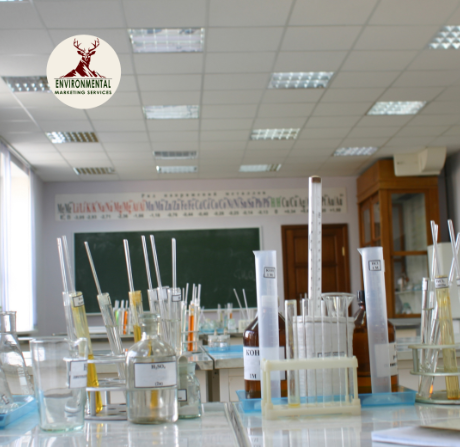
– Chemical Waste: Includes solvents, reagents, and other chemical substances. Proper segregation is key to avoiding dangerous reactions.
– Biological Waste: Consists of tissues, cultures, and other materials from biological research. Biohazard protocols are vital for disposal.
– Radioactive Waste: Materials that emit radiation and need specialized handling and disposal methods.
– General Waste: This includes non-hazardous materials like paper towels and lab equipment packaging, but care should be taken to avoid contamination with other types.
Identifying and categorizing this waste properly is not just about compliance. It’s about maintaining a safe lab environment for everyone who works there. For instance, mixing certain waste types can lead to unexpected reactions, putting lab workers at unnecessary risk. Recognizing the importance of separating waste types aids in maintaining safety and promoting proper waste management practices.
Best Practices for Handling Laboratory Waste
Handling laboratory waste the right way is all about safety and diligence. The primary step is establishing safe handling and storage guidelines. These practices ensure that waste is kept in the correct containers and stored safely until disposal. Containers should be made of appropriate materials and clearly marked according to waste type. This reduces the risk of accidental exposure or incorrect disposal. Additionally, staff should be trained regularly to keep them informed of current practices and safety measures.
Effective labeling and documentation are vital components of waste handling. Creating labels that are visible and easy to understand, detailing the type of waste and any hazards it may present, is important. Documentation should include logs of the waste type, quantity, and disposal actions, ensuring that everything is accounted for. This organized approach aids in compliance and helps evaluate waste management processes for improvements.
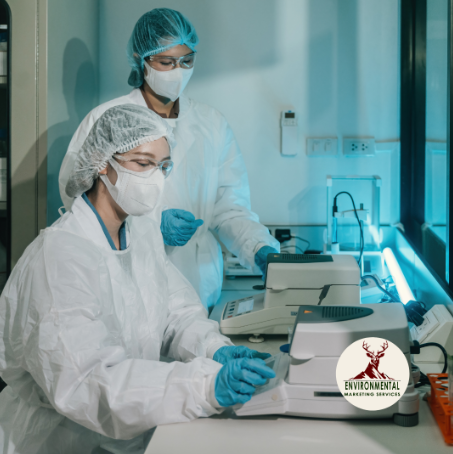
Safety measures must extend to personnel who directly handle waste. Training sessions on the latest safety protocols, use of personal protective equipment, and emergency procedures should be regular. A well-trained team coupled with clear instructions can prevent accidents and manage waste efficiently.
Disposal Methods for Different Types of Laboratory Waste
Each type of laboratory waste requires a unique disposal method. Chemical wastes, for example, need specific techniques to ensure they don’t harm the environment. In many cases, neutralization and safe packaging methods are used before disposal. Establishing a clear plan for handling these chemicals prevents leaks or reactions.
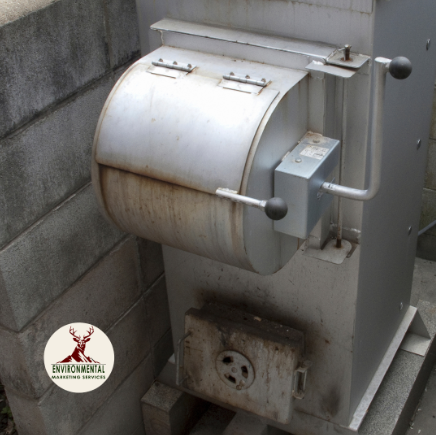
Biological waste demands special attention due to its potential to spread contamination. It’s typically placed in biohazard bags and autoclaved before disposal, neutralizing harmful pathogens. Proper procedures here are crucial for maintaining a healthy environment inside and outside the lab.
Radioactive waste is perhaps the most sensitive. This type of waste needs storage in specially designed containment systems that prevent radiation leakage. It is then disposed of following strict governmental guidelines. Mismanagement of radioactive materials poses serious health risks, so strict adherence to protocols is non-negotiable.
General waste disposal might seem straightforward but requires attention to detail to avoid contamination. Simple actions like using different bins for recyclables and non-recyclables streamline the process and keep the lab environment clean and organized.
Creating a Safer Laboratory Environment
Building a safer lab means constantly improving waste management strategies. Implementing an effective waste management plan is a continuous cycle involving assessment and adjustment. Regular audits can highlight areas in need of attention, ensuring practices are up-to-date and effective. This proactive approach keeps the lab environment safe and minimizes any potential risks associated with waste management.
Encouraging a safety-first culture in the lab is crucial. When everyone takes responsibility for maintaining safety standards, it leads to a more conscientious and aware environment. This culture promotes quick responses to issues and continuous education on best practices, ultimately leading to a safer workplace for everyone involved.
Enhancing the management of laboratory waste involves reliable partners who understand the intricacies of different disposal methods. By employing hazardous waste services, lab environments can stay safe and compliant so you can stay focused on your research. Connect with Environmental Marketing Services to see how we can simplify your waste management process and help keep your lab cleaner and safer.