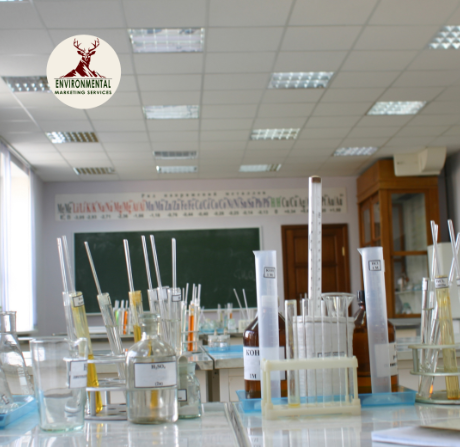
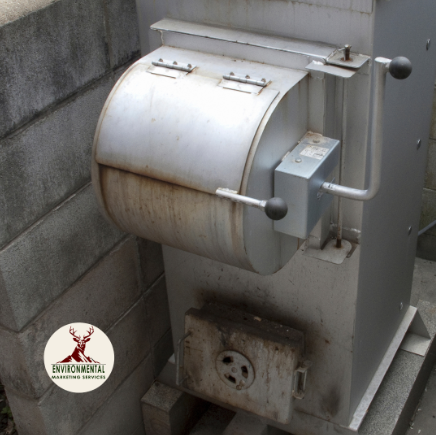
Proper disposal of hazardous materials, or hazmat waste, plays a key role in maintaining a safe and responsible workspace. When these materials are not handled correctly, they can put both people and the environment at risk. From chemical residues to biological specimens and radioactive substances, knowing how to safely manage waste is part of protecting your team, your facility, and the planet.
Disposing of hazardous waste involves detailed procedures that help ensure safety from start to finish. These steps include identifying the material, proper storage, transportation, and final disposal. But beyond compliance, this is about handling our responsibilities with care. Through a clear and consistent approach, facilities can significantly reduce risk and build a stronger foundation for health and environmental stewardship.
Types of Hazmat Waste
Understanding the different categories of hazmat waste is the first step in applying safe disposal methods. Each type presents unique risks and requires specific procedures to minimize potential harm.
1. Chemical Waste: This category includes substances such as solvents, acids, and industrial chemicals. If mishandled, they can trigger harmful reactions, spills, or environmental contamination. Safely storing and neutralizing these chemicals demands attention, proper containment, and clear labeling.
2. Biological Waste: Found mostly in healthcare and research settings, biological waste covers items such as used test samples, bodily fluids, discarded vaccines, or lab cultures. These materials can be infectious and must be secured in leak-proof containers to prevent the spread of disease. Extra care during handling is mandatory.
3. Radioactive Waste: Typically originating from nuclear medicine or industrial processes, this type of waste carries the risk of radiation exposure. Disposal of radioactive materials often requires specialized containers and shielding during transport. Strict rules govern how and where they are handled and disposed of, with safety remaining a top priority.
Recognizing which type of waste is present allows organizations to apply the correct procedures, keeping risks contained and operations compliant.
Steps for Safe Disposal
Safe disposal of hazardous materials relies on well-established methods. These steps ensure the waste remains controlled and that handling it does not lead to further complications.
1. Identification and Classification: Accurately identifying waste is the foundation for choosing appropriate disposal methods. Labels, documentation, and sometimes testing are used to determine the type and hazard class of the material. Classification guidelines help staff apply the correct handling methods and comply with disposal regulations.
2. Proper Storage Techniques: Once identified, waste materials must be stored safely while awaiting pickup or processing. Use containers made of materials resistant to the hazardous contents. Placement in secure, clearly marked areas can help minimize the chance of spills or accidental contamination. Maintenance checks on containers are also important to flag any damage early.
3. Transportation and Disposal Methods: Transporting hazardous waste requires careful coordination. Waste should be moved using vehicles designed for containment, in accordance with local and federal laws. Disposal can take a variety of forms depending on the material. Options include incineration, chemical treatment, or deep-well underground storage. During this stage, documentation plays a critical role in confirming regulatory compliance and safety.
By following these step-by-step protocols, organizations can manage hazardous waste confidently, reducing risk to both people and the environment.
Regulations and Compliance
Organizations that manage hazardous materials are legally required to meet a range of regulatory standards. These rules are developed to protect workers, the public, and the surrounding environment.
Federal guidelines, such as those set by the Environmental Protection Agency (EPA), outline how to categorize, handle, store, and dispose of various wastes. States may also have their own additional requirements. Together, these frameworks provide the guidance needed to ensure thorough and lawful waste disposal.
Failing to comply with these standards can carry fines, cleanup penalties, or loss of licensing. To avoid any missteps, companies must train workers, keep thorough records, and perform regular audits. Compliance isn’t just about avoiding penalties. A strong internal program promotes a culture of safety and care, which benefits the entire organization.
How Environmental Marketing Services Can Help
Environmental Marketing Services takes the weight off your shoulders by providing expert solutions for hazardous waste management. From identifying waste types to setting up storage and transport plans, the team works with you to build compliant, streamlined, and safe processes.
Each solution is shaped to fit your specific operations and materials. Whether your lab generates small biological discards or handles complex chemical mixtures, Environmental Marketing Services has the tools and knowledge to design a proper disposal workflow. Our support includes up-to-date compliance guidance, helping you stay on track with local and federal regulations.
With Environmental Marketing Services as your waste management partner, your facility gains confidence, efficiency, and peace of mind. By managing each element of disposal correctly, we help remove guesswork and reduce liability.
Creating a Safer Laboratory Through Better Waste Management
Hazardous waste carries serious responsibility, but when managed effectively, it does not have to be a risk. Taking care to follow clear disposal steps, staying aligned with evolving regulations, and making use of specialized expertise can help any organization maintain a safer and more compliant operation.
Implementing reliable systems for identifying, storing, and transporting waste brings stability to daily tasks. It prevents unexpected exposures, injuries, and environmental damage, and shows your commitment to responsibility. For those looking to strengthen their waste processes or facing challenges with inventory and disposal, working with a knowledgeable partner can make the difference.
By choosing to act with care and foresight, laboratories and workplaces not only stay protected—they set the standard for safety and responsibility in their field.
Ensuring the safe disposal of hazardous materials can significantly enhance your operational safety and environmental footprint. To support your facility’s needs with reliable and compliant disposal methods, explore our services for hazardous waste designed to deliver effective solutions. Environmental Marketing Services is here to help you maintain a safer, healthier, and more organized workspace.