Protect People and Property From Mercury Exposure
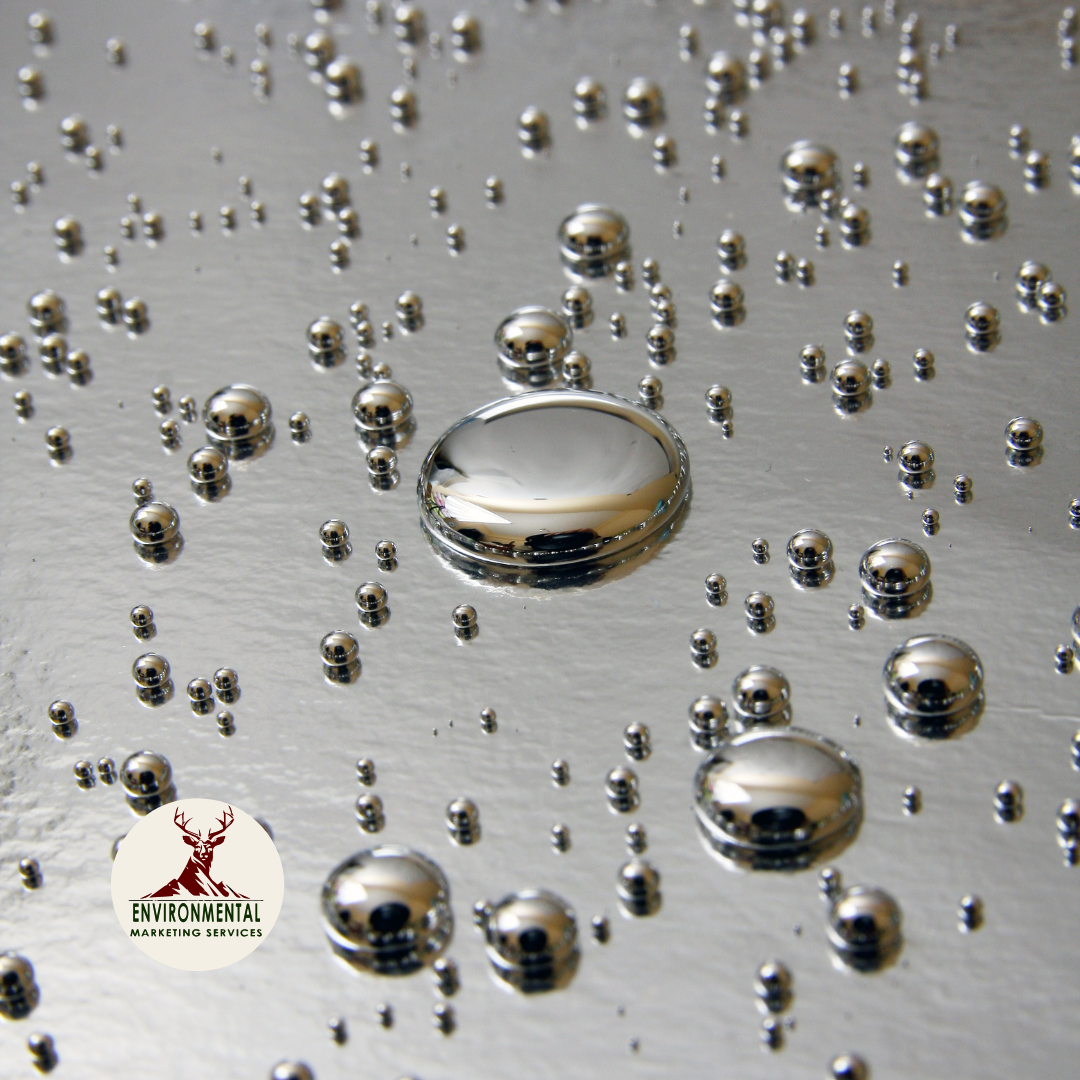
Mercury disposal deserves careful planning because this metal can be hidden inside familiar workplace items. When mercury is released, it can produce harmful vapors and spread into indoor areas, soil, or water. We encourage facilities to treat even small amounts seriously, since improper handling can put employees, property, and environmental commitments at risk.
A broken device or poorly stored container may lead to exposure concerns, expensive cleanup, waste compliance problems, and possible penalties. Safe mercury management starts with knowing what you have, keeping it contained, understanding how it must move through the waste stream, and arranging proper final disposal.
Identify Mercury Sources Before They Become Emergencies
Mercury is not always obvious. We often see it in older equipment, maintenance supplies, and stored materials that have been sitting untouched for years. A facility may uncover mercury-containing items during a renovation, lighting upgrade, equipment replacement, or storage-room cleanout.
Common materials may include:
- Fluorescent lamps and certain older lighting components
- Thermostats, switches, gauges, and manometers
- Laboratory chemicals and older thermometers
- Certain batteries and electrical devices
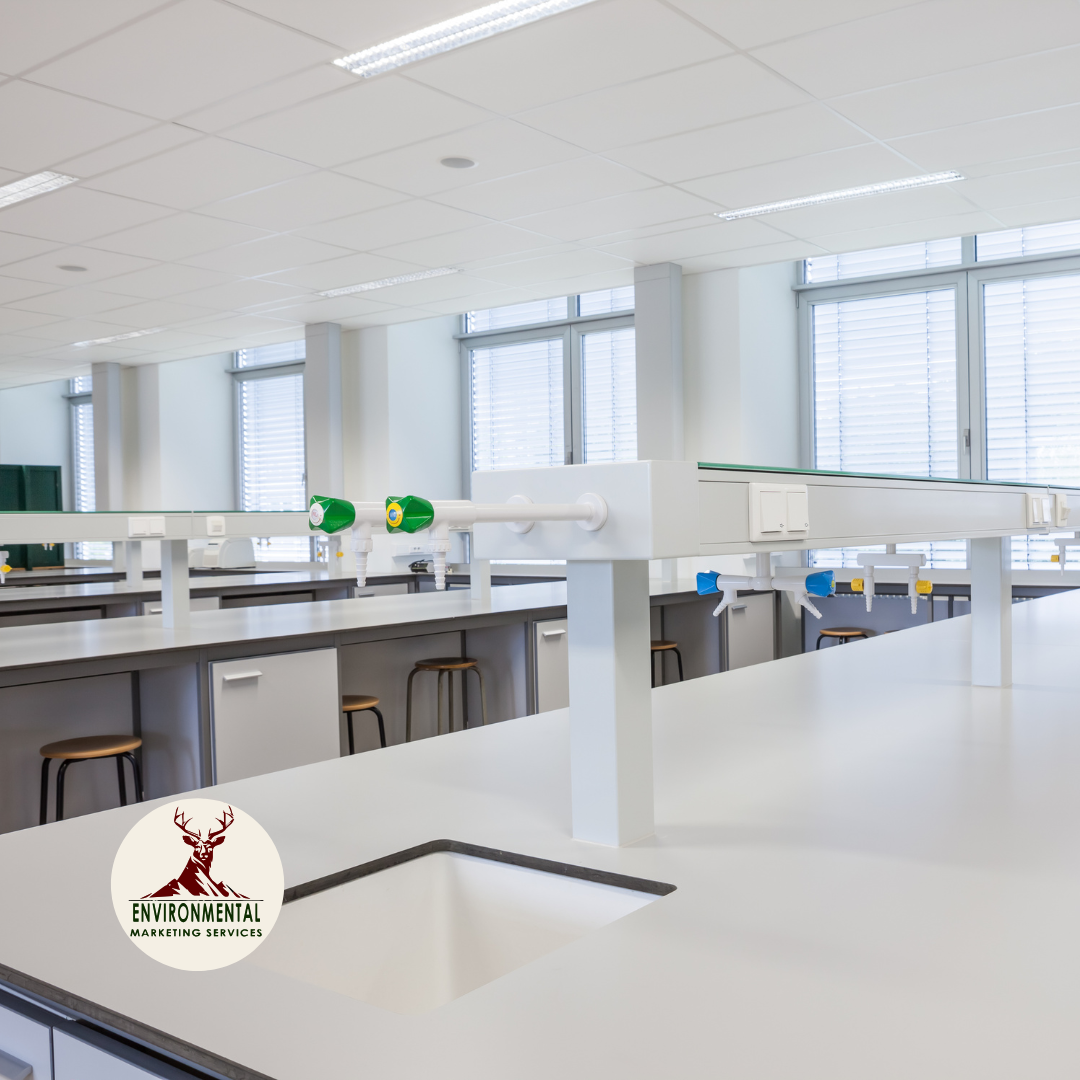
Hospitals, schools, laboratories, manufacturing sites, government buildings, and commercial properties may all have materials that need a closer look. Older equipment deserves special attention because mercury-containing parts may not be clearly marked or may have been placed in storage before current waste procedures were established.
Before a seasonal maintenance project or year-end cleanout begins, we recommend creating a waste inventory. Record the type of item, its condition, where it is stored, and whether it appears damaged. Finding these materials early helps you avoid accidental breakage and gives your team time to plan mercury disposal before the work area becomes crowded or rushed.
Mercury Disposal Starts with Safe Containment
Keeping mercury-containing items intact is usually the best first step. Broken lamps, cracked gauges, and leaking containers can create a much larger handling concern than intact materials. We recommend placing mercury waste in closed, compatible containers designed to reduce the chance of leaks, breakage, or vapor release.
Storage areas should be organized so employees can quickly identify what belongs there and what does not. Good containment practices include:
- Clearly labeling mercury-containing waste containers
- Keeping mercury waste separate from ordinary trash
- Using secondary containment where appropriate
- Storing materials away from drains, heat sources, and busy walkways
- Limiting access to designated personnel
If a spill occurs, avoid actions that can spread contamination. Do not sweep mercury, vacuum it, or wash it down a drain. Isolate the area, keep people away, and follow your site procedures along with applicable local emergency guidance. Larger releases or releases in difficult areas may require qualified cleanup support to address the material safely.
Follow Mercury Waste Rules From Pickup to Final Disposal
Mercury waste can fall under different rules depending on the material, amount, location, and applicable regulations. It may be managed as hazardous waste, universal waste, or another state-specific category. That is why we recommend confirming how each waste stream should be handled before arranging pickup or moving materials off-site.
Proper mercury disposal involves more than placing items in a container. Packaging, labeling, shipping paperwork, transportation requirements, and final treatment or recycling all matter. Each step helps create a clear path from your facility to an approved destination while reducing the chance of mishandling along the way.
Federal rules are only one part of the picture. States and local jurisdictions may set stricter requirements for storage, labeling, transportation, or disposal. Requirements can also change when waste moves across state lines. Working with trained transportation and disposal providers helps your facility organize documentation and prepare materials according to the rules that apply to your location and waste type.
Prepare for Fall Cleanouts and Year-End Audits
Autumn is a practical time to review mercury waste because fall cleanouts, maintenance shutdowns, lighting replacements, and year-end environmental reporting often uncover forgotten materials. Storage rooms, maintenance closets, utility areas, and outdated equipment can all hold items that were set aside for “later.”
A centralized inventory can make planning much easier. We suggest tracking:
- Waste type and item description
- Container condition and any signs of damage
- Estimated quantity
- Storage location
- Date the material was accumulated
With this information in one place, your team can identify items that need attention and prepare for an efficient pickup. Planning ahead also helps prevent overcrowded storage areas before holiday schedules and year-end closures create delays. A little organization now can reduce rushed handling later, when the chance of breakage or confusion is higher.
Partner with Experts for Safe Mercury Disposal
Safe mercury disposal requires a complete process, from identification and containment through transportation, documentation, and final disposal. Trained providers can support organizations with transportation and disposal solutions for hazardous, non-hazardous, and universal waste, including materials that need careful handling and coordinated waste planning.
Before mercury-containing items become a facility liability, review where they are stored, whether containers remain in good condition, and what requirements apply to their removal. A clear plan helps protect your people, your property, and the environment while keeping mercury waste out of the regular trash stream.
Reliable Support for Safer Mercury Removal
Environmental Marketing Services can help you arrange mercury disposal services that fit your facility’s needs and applicable requirements. Our team helps streamline the process so hazardous materials can be managed responsibly. To discuss your situation, contact us today.