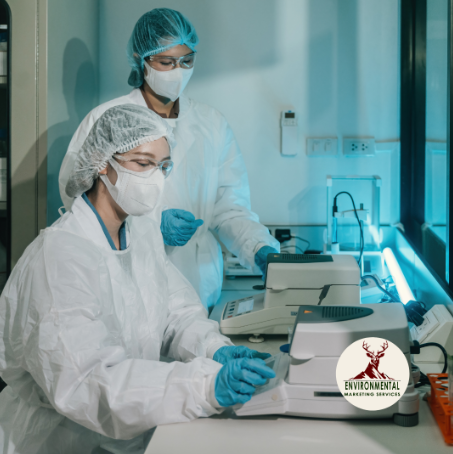
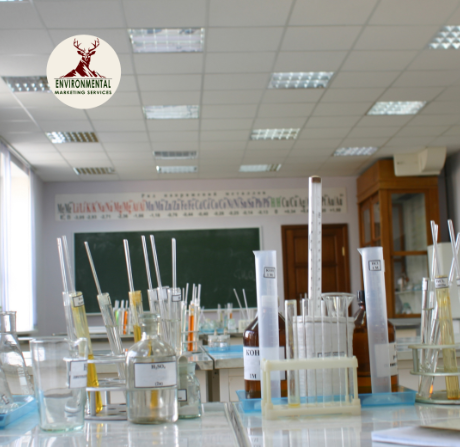
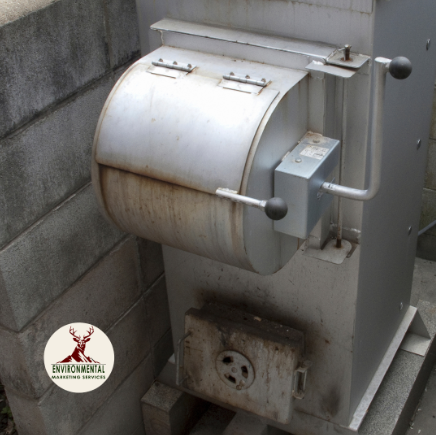
Waste disposal in laboratories presents unique challenges that are critical to maintaining a safe and compliant environment. Laboratories generate various types of waste that, if not handled correctly, can pose risks to both people and the environment. Whether handling chemical residues, biological matter, or everyday waste, understanding proper disposal protocols is paramount.
Proper waste management in labs contributes to safety and helps meet strict regulatory requirements. By implementing responsible disposal practices, labs can protect personnel, preserve their research integrity, and demonstrate their commitment to environmental stewardship.
Types of Laboratory Waste
Laboratories produce a wide range of waste materials. Knowing how to manage each type properly is the first step in creating a safer work environment.
1. Chemical Waste
Chemical waste includes substances like solvents, reagents, and other compounds used during experiments. These materials can be toxic, corrosive, or flammable. Improper handling may lead to spills, health hazards, or environmental harm. Using designated containers and clearly labeling each one with the contents and storage date helps ensure proper containment and disposal.
2. Biological Waste
Biological waste consists of materials contaminated by biological agents. This may include cultures, petri dishes, pipette tips, and anything exposed to microorganisms. These items require special handling to prevent the spread of biohazards. Autoclaving and the use of biohazard-specific containers, such as red bags or sharps containers, are standard practices for safe biological waste disposal.
3. Universal Waste
Universal waste covers items like batteries, electronic equipment, and fluorescent bulbs. Although not as immediately hazardous as chemical or biological waste, improper handling of these items can still pose long-term environmental risks. These materials should be stored in labeled collection bins and sent to recycling or disposal centers equipped to handle them responsibly.
Understanding the proper handling methods for each category helps reduce safety risks and supports compliance with handling and disposal guidelines.
Best Practices for Safe Waste Disposal
A structured waste disposal process increases the safety and efficiency of lab operations. The following best practices can make a significant difference.
1. Identification and Segregation of Waste
The first step in any effective waste disposal system is identifying and sorting waste at the point of generation. Chemical, biological, and universal waste each require different handling and disposal methods. Keeping them separate avoids cross-contamination and simplifies the disposal process.
2. Use of Appropriate Containers and Labels
All waste should be placed in containers suitable for the type of waste being disposed of. Chemical containers must be resistant to corrosion or chemical reactions. Biological waste containers must resist punctures and be sealed properly. Each container must be labeled with its contents, type of hazard, and the date it began collecting waste. Clear labels help avoid mistakes and speed up the final disposal process.
3. Regular Disposal Schedules
Labs should establish and stick to regular disposal schedules. Allowing waste to accumulate increases the chances of spills, exposure, or violations of safety codes. A set schedule ensures waste is removed before it becomes a problem and allows staff to stay prepared.
Following these steps helps reduce hazards, maintain compliance, and contribute to daily operational efficiency.
Regulatory Compliance
Regulatory compliance is a non-negotiable part of laboratory waste management. Agencies such as the Environmental Protection Agency (EPA) and the Occupational Safety and Health Administration (OSHA) have laid out clear requirements for handling hazardous waste.
1. Understanding and Applying Regulations
Labs must stay informed about federal and state guidelines. EPA regulations outline how to manage different types of hazardous waste, while OSHA focuses on employee safety throughout the handling and storage process. Labs should keep accessible documentation detailing these rules.
2. Establishing Compliant Procedures
Clear internal procedures that match regulatory criteria help keep operations within legal boundaries. This includes training for all staff handling waste, using proper protective equipment, tracking waste movement, and ensuring correct labeling and storage.
3. Regular Audits and Monitoring
Routine checks and internal audits help catch issues early and reinforce compliance. Labs should monitor disposal practices, inspect containers, and check logs frequently. If any gaps are found, updates should be made immediately to maintain full compliance.
Ignoring regulations can result in penalties, legal action, or even shut-downs. Having strong systems in place safeguards the laboratory’s operations and reputation.
Benefits of Professional Waste Disposal Services
Professionals best handle some aspects of laboratory waste management. Partnering with a specialized waste disposal service helps labs maintain safety, follow regulations, and operate more effectively.
1. Enhanced Safety and Compliance
Professionals are experts in handling hazardous materials. They supply compliant containers, assist with labeling, and are responsible for secure hauling and certified disposal. This lowers the risk of human error and boosts operational safety across the lab.
2. Promoting Environmental Responsibility
Most professional services aim to minimize environmental impact. They use approved treatment, disposal, and recycling facilities that meet environmental standards. Electronic waste and chemical byproducts are treated or recycled, reducing contamination risks.
3. Increased Operational Efficiency
Outsourcing waste management allows lab personnel to focus on their research and obligations. Waste pickup schedules, container replacement, and documentation are handled externally, simplifying day-to-day logistics.
Choosing expert waste services is a strategic decision that can support lab safety, budget control, and regulatory confidence.
Creating a Safer Laboratory Starts with Better Waste Handling
Every lab encounters waste. What matters is how it is managed. From classifying materials to following disposal timelines, every step plays a part in keeping labs safe and compliant. When lab teams adopt clear procedures, use proper containers, maintain logs, and choose reliable professionals for waste removal, the environment becomes more secure.
Regulatory bodies like the EPA and OSHA have strict expectations, but meeting them is achievable with a proactive approach. Having a structured waste management plan in place reduces daily risks and shows a commitment to health, safety, and environmental care.
Efficient waste handling is more than just a routine—it is a responsibility. When managed correctly, it offers peace of mind and supports smooth lab operations.
Effective waste management in laboratories protects human health and enhances operational efficiency. Explore our hazardous waste services for comprehensive solutions tailored to your specific needs. Environmental Marketing Services is committed to delivering the expertise and support necessary for safe and compliant waste disposal.