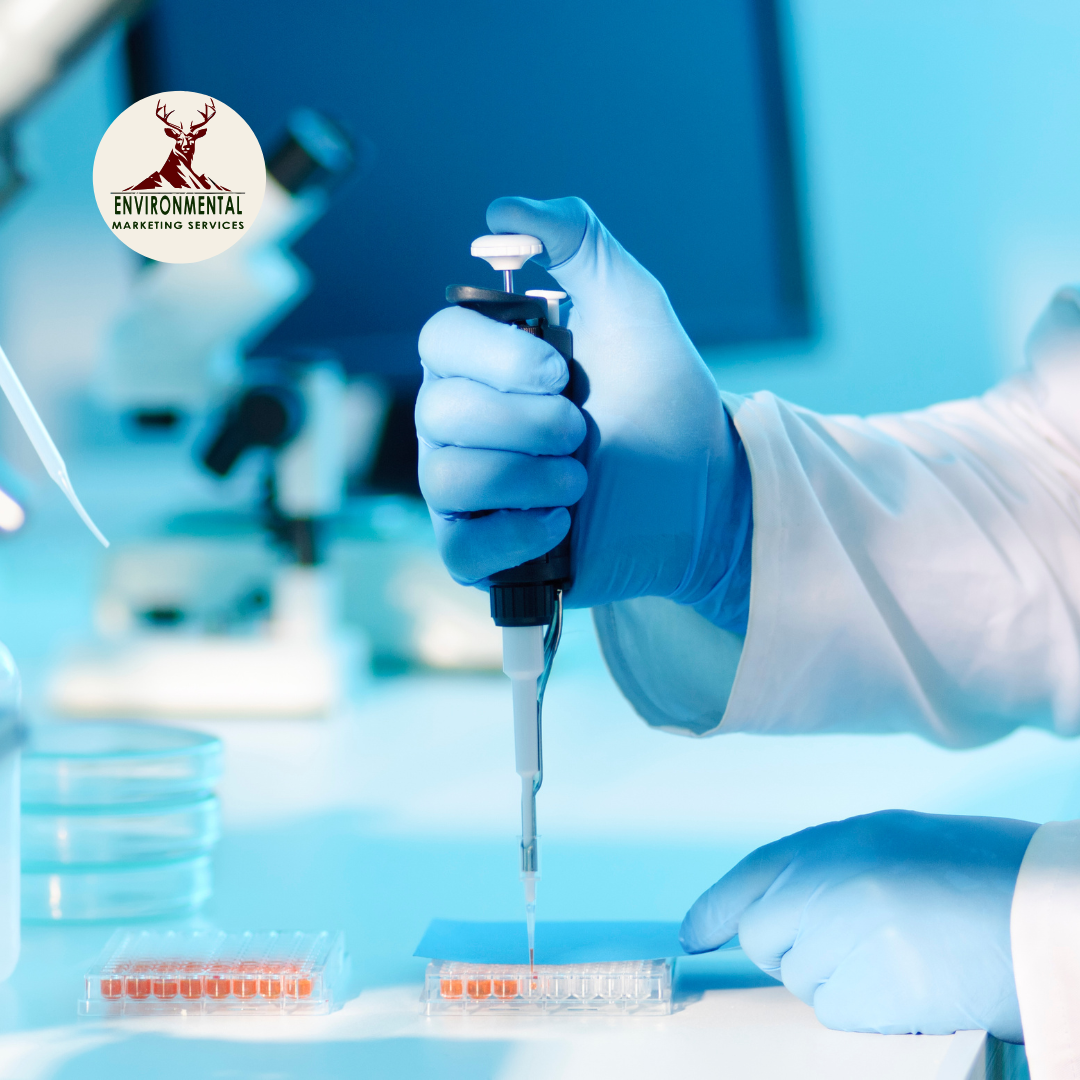
Protecting People and Research Through Safer Lab Waste
Proper chemical waste disposal is one of the most important habits in any chemistry lab. When waste is handled correctly, we protect people from exposure, keep research running smoothly, and avoid unexpected shutdowns or fines. When it is handled poorly, the same materials that help us make discoveries can quickly become sources of injury, contamination, and regulatory trouble.
Improper disposal can lead to skin and eye burns, inhalation of toxic vapors, or long-term exposure to carcinogens. Incompatible chemicals can react in a waste container, causing heat, gas buildup, or even fire. On top of the safety concerns, enforcement actions for mishandled hazardous waste can be expensive and disruptive, especially for laboratories that rely on grants, production schedules, or accreditation. At Environmental Marketing Services, LLC, based in Seneca, South Carolina, we help laboratories across most of the United States put safe, compliant systems in place so chemical waste disposal becomes a routine, reliable part of daily work instead of a constant worry.
Understanding Chemical Waste in Modern Laboratories
In a modern lab, chemical waste is more than just spent solvent in a bottle. It includes expired reagents, leftover reaction mixtures, used chromatography solvents, and contaminated water. It can also include contaminated gloves, wipes, pipette tips, glassware, and absorbents. In teaching labs, there are small volumes from many student experiments; in research and quality control labs, there are a wide variety of materials generated in short, unpredictable bursts.
We generally see three broad categories of waste. Hazardous waste includes materials that are ignitable, corrosive, reactive, or toxic. Non-hazardous waste might still need special handling, but it does not meet regulatory definitions for hazardous characteristics. Universal waste covers certain widely generated items like some types of lamps or batteries that have streamlined rules. How a lab classifies its waste determines how it must be labeled, stored, and ultimately shipped for treatment or disposal.
Different industries face different challenges. Healthcare and pharmaceutical labs may generate mixed wastes that combine chemical and biological hazards. Manufacturing labs may handle high volumes of flammable liquids tied to production schedules. Universities often struggle with many partially used bottles and legacy containers, including unknowns or unlabeled chemicals. All of these situations benefit from clear definitions and consistent classification, so nothing falls through the cracks.
Core Regulatory Requirements Labs Must Follow
Chemical waste disposal in laboratories is governed by several layers of regulation. At the federal level, hazardous waste rules outline how waste must be identified, accumulated, stored, and shipped. Transportation rules from the U.S. Department of Transportation (DOT) cover how hazardous materials are packaged, labeled, and documented in transit. On top of that, state regulations can add their own requirements, especially for specific chemicals or waste streams.
One concept that trips many labs up is generator status. In simple terms, your generator category is based on how much hazardous waste you create in a given period. Very small quantity generators produce relatively small amounts and typically have more flexible accumulation options. Small quantity generators have stricter limits and more recordkeeping. Large quantity generators must follow the most detailed standards, including more extensive training and emergency preparedness. Knowing your status and staying within accumulation limits is key to compliance.
Paperwork is just as important as lab technique. Manifests track hazardous waste shipments from your facility to the final treatment or disposal site. Waste profiles describe what is in each stream so it can be handled correctly. Safety Data Sheets support classification and emergency response. Internal logs document inspections, container checks, and training. A third-party provider like Environmental Marketing Services can help labs organize and maintain these records so they are ready for internal reviews or inspections.
Best Practices for Collection, Labeling, and Storage
Safe chemical waste disposal starts at the bench. Incompatible wastes should never share a container, even if it seems convenient. Keep acids separate from bases, store oxidizers away from organics and flammables, and isolate materials that can generate gases or heat. Setting up clearly labeled waste containers for different categories near work areas makes it easier for staff and students to follow the rules without extra steps.
Choosing the right container is essential. Containers should be chemically compatible with the waste, in good condition, and equipped with a tight, leak-resistant closure. Every container needs a clear label that includes:
- The word “Waste” or “Hazardous Waste” as appropriate
- A description of the contents, not just a code or initials
- Known hazards such as flammable, corrosive, or toxic
- The accumulation start date
Secondary containment, like trays or tubs, provides a backup if a container leaks or breaks. In central accumulation areas, short-term storage should follow a few basic principles:
- Keep containers closed when not in use
- Observe volume and time limits tied to your generator status
- Segregate containers by hazard class and compatibility
- Inspect areas regularly for leaks, corrosion, or bulging containers
- Remove full containers promptly to avoid over-accumulation
These steps help control risk and make inspections much smoother.
Safe Handling, Training, and Emergency Readiness
Even a well-designed program can fail if people are not trained. Everyone who works with chemicals, including students in academic labs, should know how to read a Safety Data Sheet, recognize incompatibilities, and select appropriate personal protective equipment. Standard operating procedures for waste handling should be part of onboarding and refreshed regularly, not just presented once.
Routine handling deserves just as much attention as dramatic incidents. Staff should know how to:
- Transfer liquids using funnels or pumps to avoid spills
- Leave headspace in containers to prevent pressure buildup
- Handle broken glass, sharps, and contaminated solids in designated containers
- Keep incompatible wastes physically separated at all times
Spill preparedness ties it all together. Spill kits should be stocked and matched to the types of chemicals on site, with neutralizers, absorbents, and tools that staff know how to use. Clear response roles help avoid confusion, from who evacuates the area to who calls for external support. For larger or more complex events, coordination with an outside partner that understands emergency chemical waste disposal helps labs recover safely and resume operations.
Working with a Trusted Chemical Waste Disposal Partner
Many laboratories find that partnering with a specialized provider simplifies compliance and frees internal teams to focus on research, teaching, or production. A qualified partner can help profile waste streams, package lab chemicals safely, handle lab packs, and coordinate transportation to permitted treatment, recycling, or disposal facilities.
At Environmental Marketing Services, we work with laboratories across 47 states to design chemical waste disposal programs that fit their needs. That can include one-time cleanouts, recurring scheduled pickups, or support for multi-site organizations that need consistent practices from location to location. Our team helps standardize labeling, packaging, and documentation so each pickup is efficient and compliant.
Beyond day-to-day service, value often comes from guidance and options. We help labs understand regulatory expectations, improve their internal procedures, and identify opportunities for recycling or beneficial reuse where appropriate. Over time, a steady partnership can turn waste management from a reactive chore into a predictable, well-managed part of lab operations.
Turning Lab Compliance Into a Long-Term Safety Culture
When laboratories treat chemical waste disposal as part of their overall safety culture, everything gets easier. Near misses are reported and discussed, not ignored. Procedures are updated when new chemicals or processes are introduced. Training becomes an ongoing conversation instead of a once-a-year requirement.
A practical way to strengthen that culture is to start with a waste audit. Review what you generate, how it is classified, and where it is stored. Update written procedures so they match what actually happens at the bench. Refresh training, especially for new staff and students, and walk through example scenarios to build confidence. Finally, evaluate your internal resources and external vendors to see where expert support could close gaps and reduce risk. Over time, these steady, thoughtful steps build a safer, more sustainable approach to laboratory waste that protects people, research, and the environment.
Get Started With Your Project Today
If you are ready to handle hazardous materials safely and stay compliant, our team at Environmental Marketing Services is here to help with reliable chemical waste disposal solutions. We will assess your specific waste streams, create a tailored plan, and manage the process from pickup to final disposal. To discuss your needs or request a quote, simply contact us and we will respond promptly.