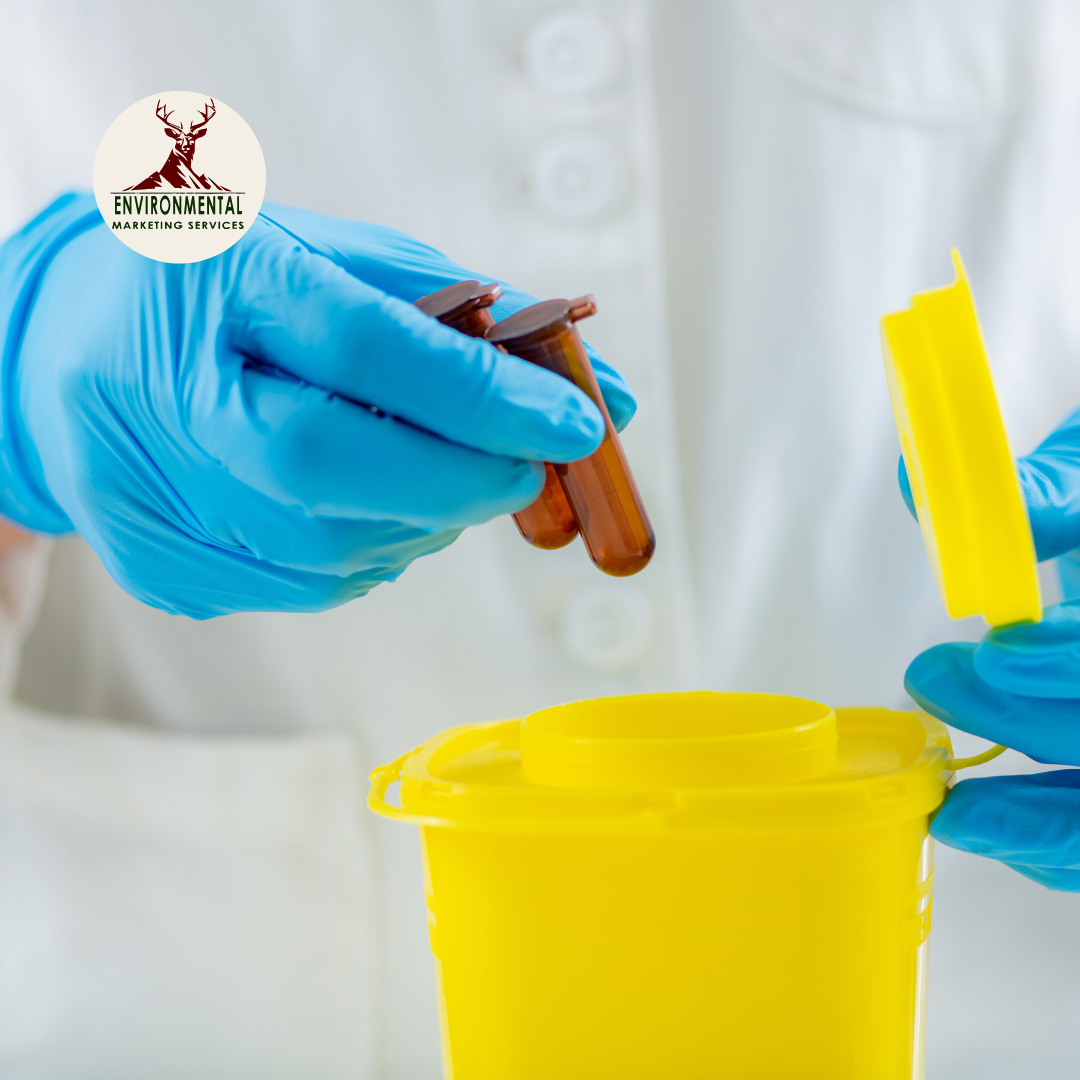
Why Safe Laboratory Waste Disposal Matters in Seneca
Laboratories in Seneca rely on precision and control, and that needs to extend to what happens after experiments, procedures, and tests are complete. Every vial, pipette tip, solvent bottle, and used reagent represents a potential risk if it is not handled and shipped properly. Safe laboratory waste disposal protects your staff, your facility, and the community you work in.
Healthcare labs, industrial quality control labs, research facilities, and school or college labs in the Seneca area can all generate complex waste streams. When those streams include reactive chemicals, flammables, infectious materials, and sharps, the risks are real. Poorly managed waste can lead to injuries from broken glass or needles, unexpected chemical reactions in trash cans or drains, air or water contamination, and complaints or concerns from neighbors and regulators.
Regulatory agencies such as the EPA, DOT, OSHA, and South Carolina DHEC all set requirements that affect laboratory waste. These rules cover how you classify waste, how long you can store it, how you label and package containers, and how it moves on public roads. Noncompliance can lead to fines and enforcement, but it can also disrupt your operations. That is why working with experienced hazardous waste companies in Seneca, SC is not just a safety decision, it is a business and compliance decision.
Understanding the Types of Laboratory Waste You Generate
The first step in managing lab waste is simply knowing what you have. Most laboratories generate several categories of waste, sometimes from the same bench or fume hood on the same day. Being clear about which stream is which helps you choose the right containers, labels, and disposal options.
Common lab waste categories include:
- Hazardous chemical waste, such as flammable solvents, corrosive acids and bases, oxidizers, and toxic reagents
- Non-hazardous chemical waste, including certain buffers, salts, and dilute solutions that do not meet hazardous criteria
- Universal waste, such as fluorescent lamps, certain batteries, and some electronics or mercury-containing devices
- Infectious or biohazardous materials, including cultures, contaminated disposables, and certain clinical specimens
- Sharps, like needles, scalpels, and broken glass that could puncture skin
- Pharmaceutical waste, including expired or unused medications and some research compounds
The difference between hazardous and non-hazardous waste is not always obvious. It depends on specific characteristics such as ignitability, corrosivity, reactivity, and toxicity, as well as any listed hazardous waste codes. Misclassifying waste as non-hazardous when it is actually hazardous can increase your liability, while over-classifying everything as hazardous can drive up costs and strain your storage space.
Experienced hazardous waste companies in Seneca, SC can help perform waste characterization, profiling, and documentation for each stream you generate. That support can include reviewing Safety Data Sheets, helping you assign proper waste codes, and preparing profiles for treatment, storage, and disposal facilities so your waste is handled correctly from start to finish.
Compliance Essentials for Laboratory Waste in South Carolina
Once you understand your waste streams, the next piece is compliance. A key concept is generator status, which is based on how much hazardous waste your facility produces in a given period. Your generator category affects requirements for accumulation time, training, inspections, and contingency planning.
Across categories, most labs need to pay attention to:
- Labeling rules, such as marking containers with full chemical names, hazard warnings, and accumulation start dates
- Accumulation time limits, which define how long you can store hazardous waste on site before it must be shipped
- Container requirements, including keeping containers in good condition, closed except when adding waste, and compatible with their contents
- Storage area standards, such as having clear access, proper segregation, secondary containment where needed, and emergency equipment
Recordkeeping is another core element. Hazardous waste manifests and shipping papers document each off-site shipment. Training records show that staff who handle waste understand their duties. Emergency plans and related documentation show how your facility would respond to spills, fires, or exposure incidents.
Working with knowledgeable hazardous waste companies in Seneca, SC can simplify these tasks. A qualified provider can help you manage manifests, stay informed about regulatory updates, and prepare for inspections. That kind of partnership reduces the chance of surprises and makes it easier to demonstrate that you are doing the right things if regulators visit your site.
Practical Steps to Set up a Safe Lab Waste Program
A strong lab waste program starts with mapping where waste is generated and where it is stored. Walk through your laboratory and list every point where waste appears, such as benches, fume hoods, biosafety cabinets, clinical areas, and prep rooms. Then identify your satellite accumulation points and central accumulation areas so you can create clear, logical pathways for waste movement.
Best practices to build into your setup include:
- Using appropriate, compatible containers sized for the waste you generate
- Applying clear labels as soon as waste first goes into the container, not later
- Providing secondary containment for liquids to help catch leaks and spills
- Separating incompatible chemicals, such as acids from bases or oxidizers from organics
Internal procedures keep that system working day to day. Staff need regular training on how to identify waste streams, which containers to use, and what to do in case of a spill or exposure. Basic spill response training, including when to clean up and when to evacuate or call for outside support, is important for every lab worker.
Weekly inspections of waste areas can catch small issues before they become problems. During those checks, look for unlabeled containers, open lids, corrosion, damaged drums, or signs that containers are getting too full. Communication with your disposal partner also matters. As your lab adds new methods or instruments, your waste streams can change, and your service plan should change with them.
Choosing a Reliable Laboratory Waste Partner in Seneca
Selecting the right disposal partner is one of the most important decisions your laboratory will make around waste. When you speak with hazardous waste companies in Seneca, SC, ask direct questions so you understand how they will handle your material and protect your facility.
Helpful questions include:
- What permits and licenses support your transportation, disposal, and recycling services?
- What types of treatment and disposal methods are used for the common lab waste streams we generate?
- What options are available for recycling, especially for universal waste and certain chemicals?
- What level of insurance coverage do you carry for transportation and waste management services?
- What kind of emergency or after-hours support is available if we have an urgent issue?
There is real value in working with a single-source provider that can handle hazardous, non-hazardous, and universal waste, along with transportation and profiling. Coordinated service makes scheduling easier, reduces confusion for staff, and often leads to more efficient pickups and lower overall risk. It can also simplify your internal reporting, since you are working from one set of manifests and invoices instead of several.
Environmental Marketing Services, LLC is based in Seneca and provides transportation, disposal, and recycling solutions for hazardous, non-hazardous, and universal waste for industrial, healthcare, laboratory, and other commercial generators. We work with facilities that need local support as well as those that have operations across the country, and we focus on solutions that prioritize safety and responsible management of each waste stream.
Putting Your Laboratory Waste Plan Into Action
Once you understand your waste streams, your compliance duties, and your options for support, the next step is to assess where you stand today. A quick internal review often reveals obvious gaps, such as unlabeled containers, outdated signage, crowded storage areas, or inconsistent segregation of chemical and biohazardous waste. Identifying these issues is not a sign of failure, it is a starting point for improvement.
From there, many labs find it helpful to bring in a qualified local provider for a site visit or waste review. That collaborative approach can help you develop a written waste management plan tailored to your facility, covering everything from container placement and labeling standards to inspection schedules and emergency procedures. With clear expectations, trained staff, and a reliable disposal partner, your laboratory in Seneca can protect people, meet regulatory requirements, and manage costs, all while staying focused on the scientific and clinical work that matters most.
Get Started With Your Project Today
If you need reliable, compliant waste handling, our team at Environmental Marketing Services is ready to help you choose the right solution for your facility. Learn how we compare to other hazardous waste companies in Seneca, SC and what services fit your specific regulatory and operational needs. Reach out today through our contact us page so we can review your project, answer your questions, and provide a clear plan for safe disposal.